Musical header Click here for the latest news from the Shoppe Click here to discover some of the feedback our customers have given given us over the past few years. Click here for videos, audio, photos and articles from the Shoppe Click here for our range of Double Bass specialist Books Click here for our quality Double Bass Accessories Click here for our quality Double Bass Bows Click here for our highest quality Double Basses over UK£20,000 Click here for our quality Double Basses up to UK£20,000 Click here for our range of Budget Double Basses up to UK £5000 Click here to review some of the instruments previously sold by The Contrabass Shoppe. Click here for the web site introduction Click here to discover more about The Contrabass Shoppe Click here for the outstanding Double Bass Gallery Click here to make contact with us
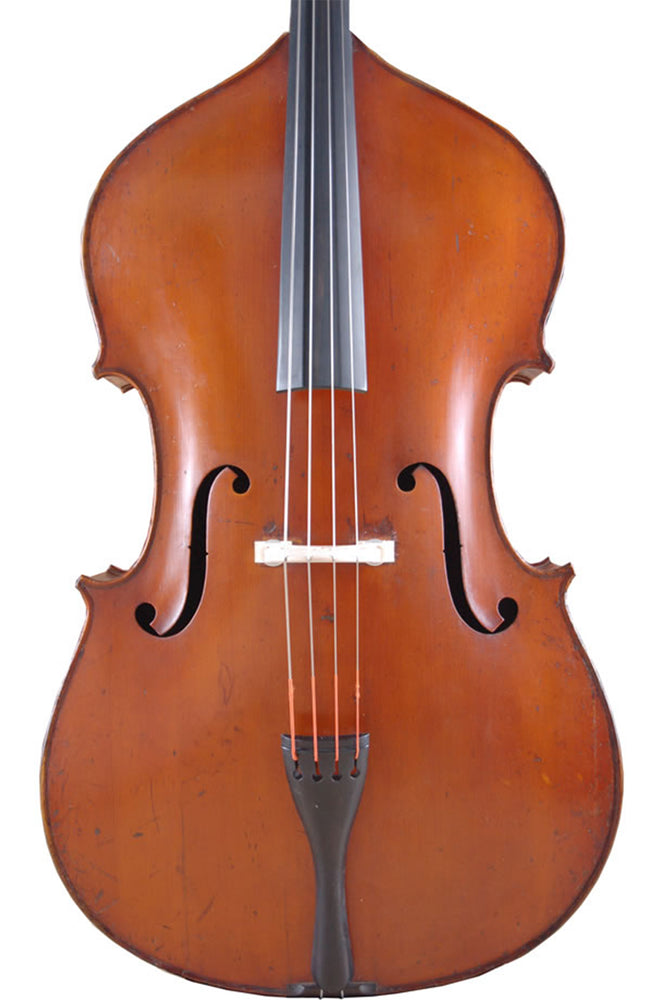
 

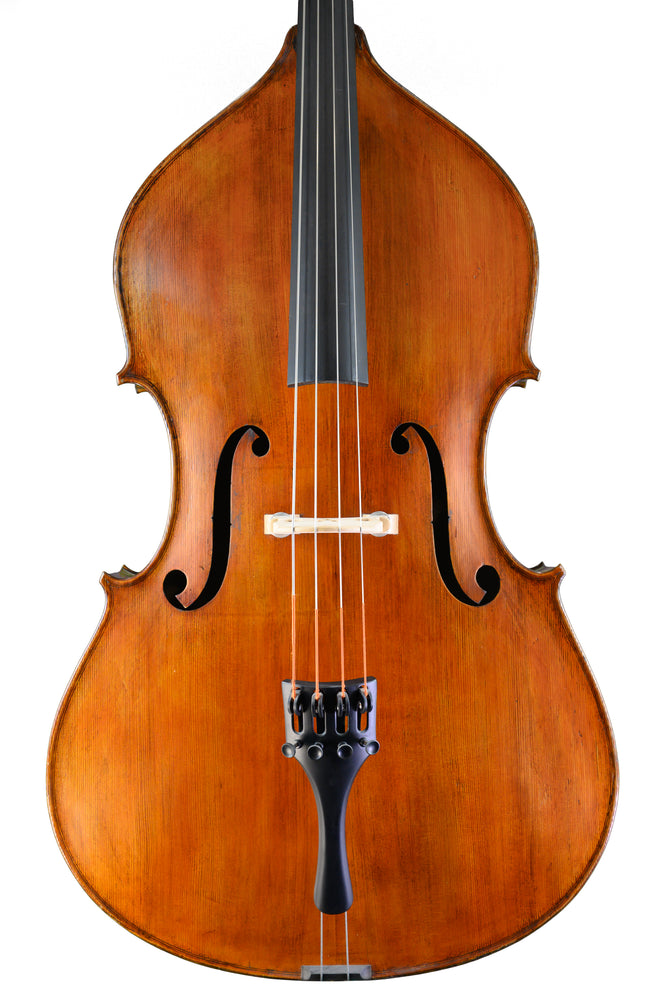
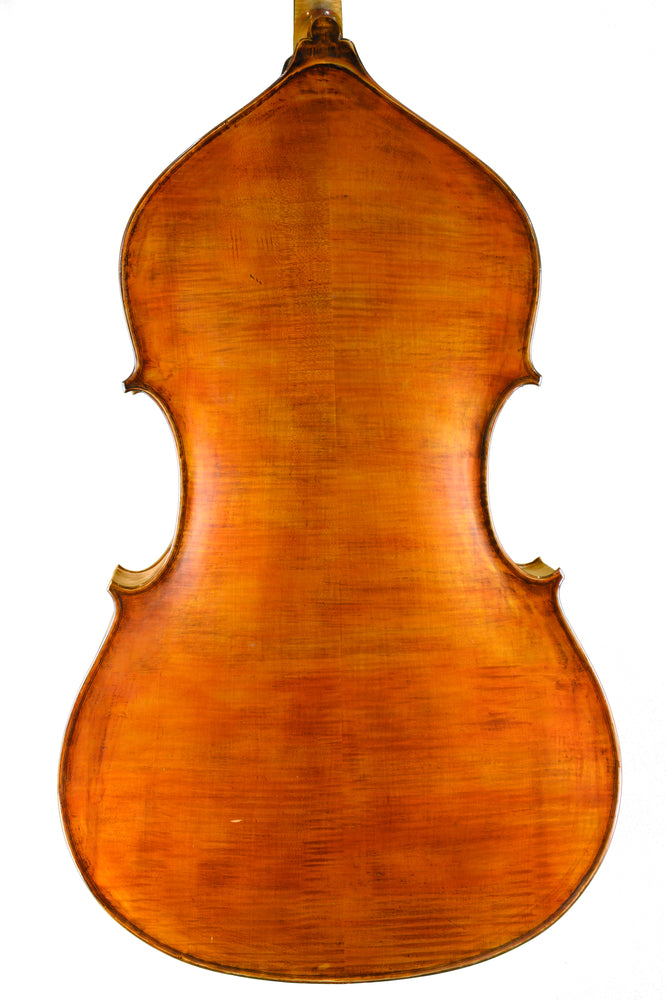
A top quality English double bass circa 1885 attributed to James William Briggs - #1893 - SOLD

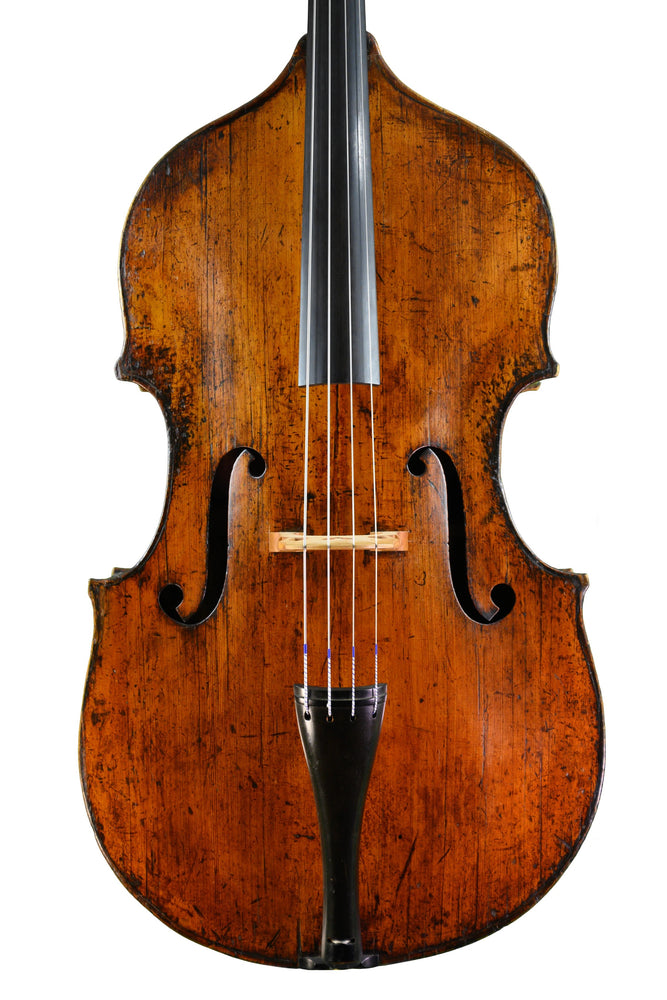
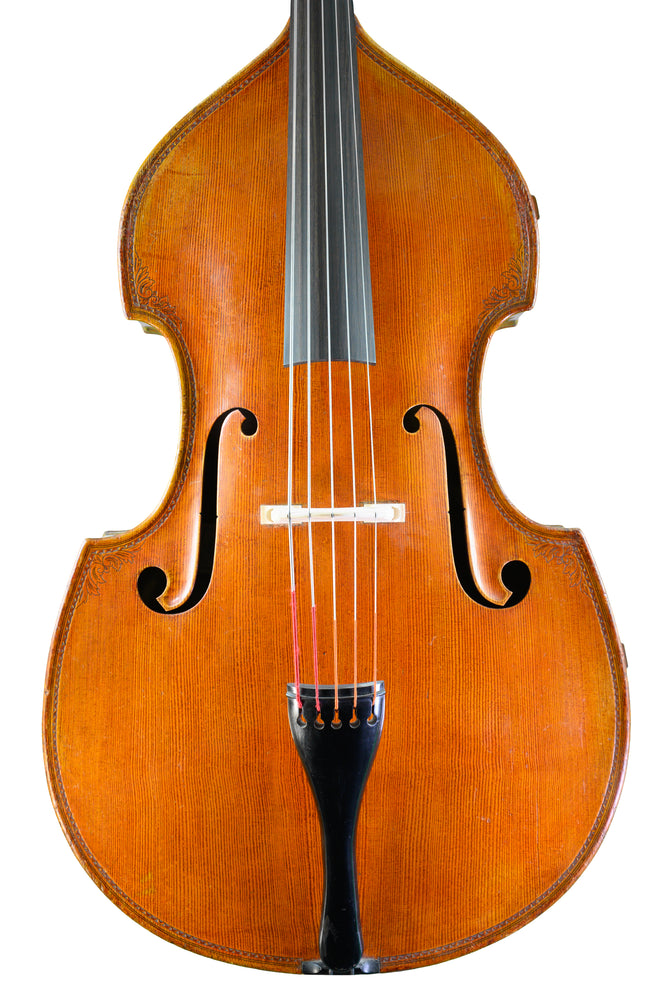
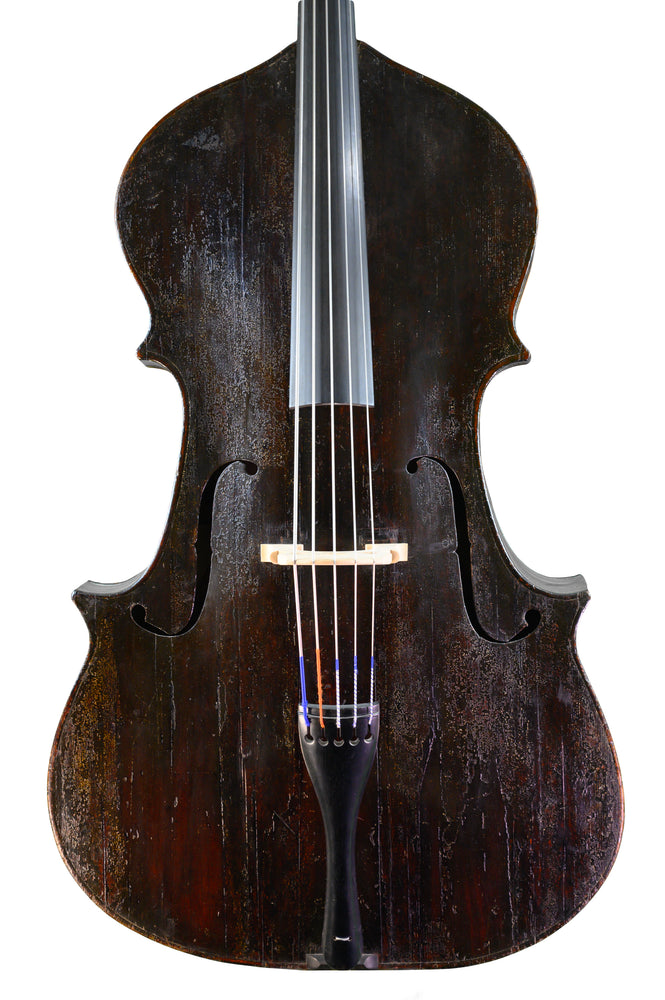
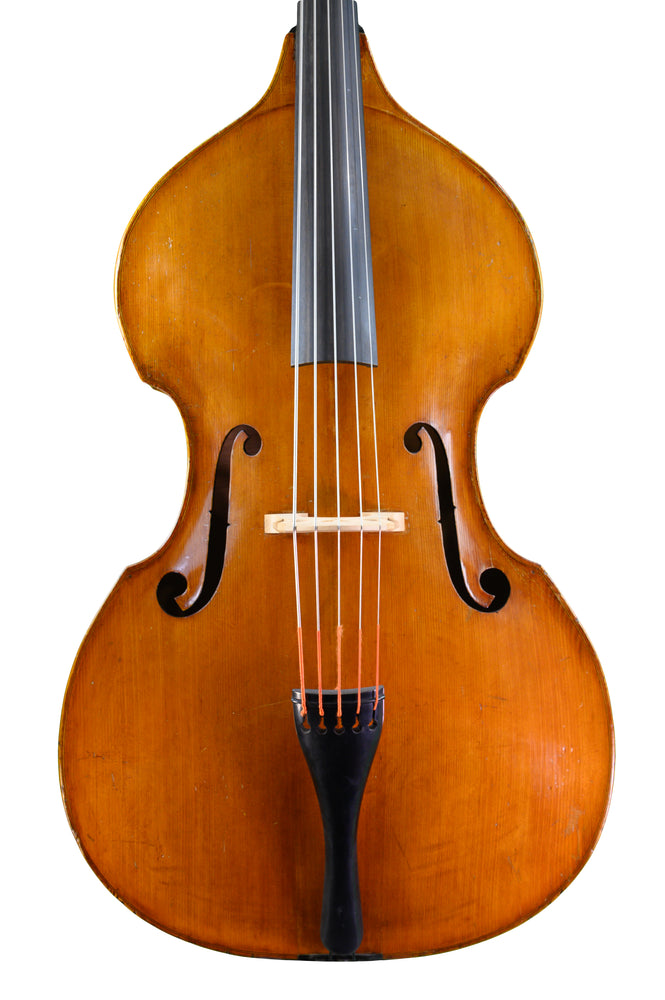
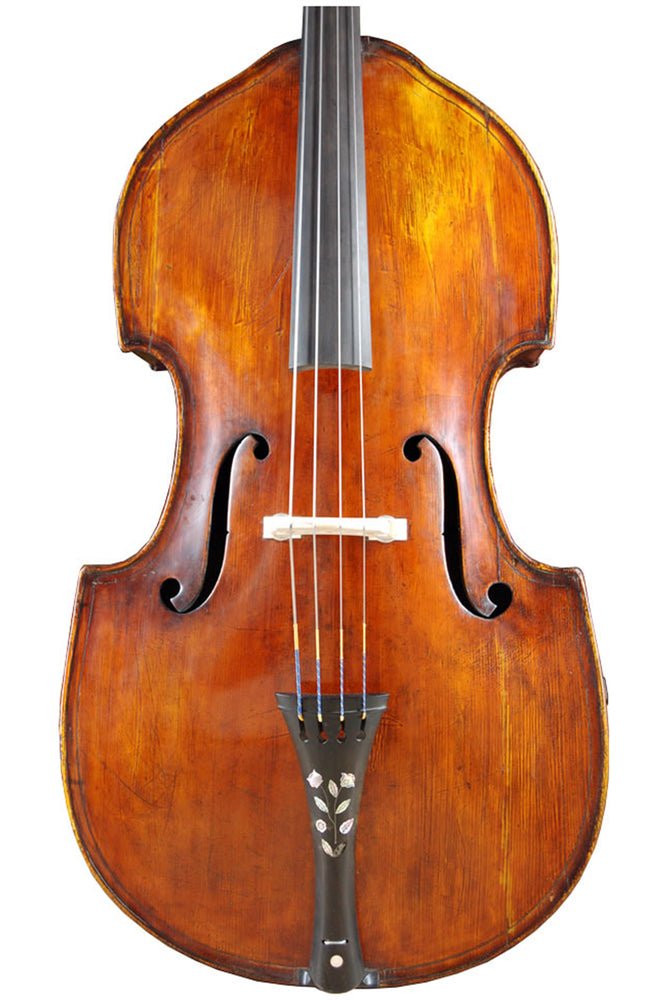
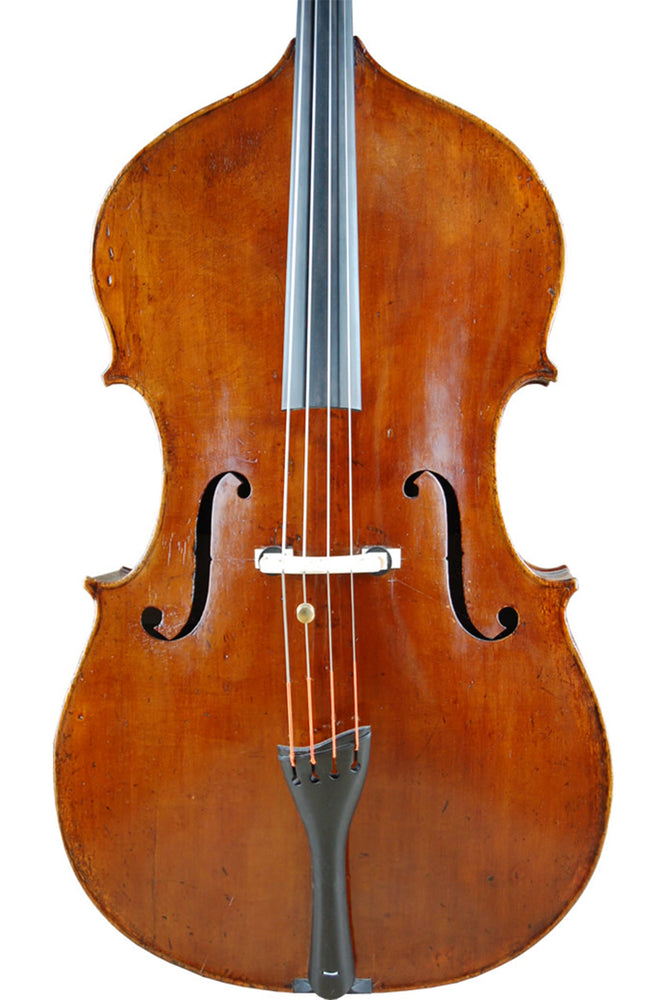
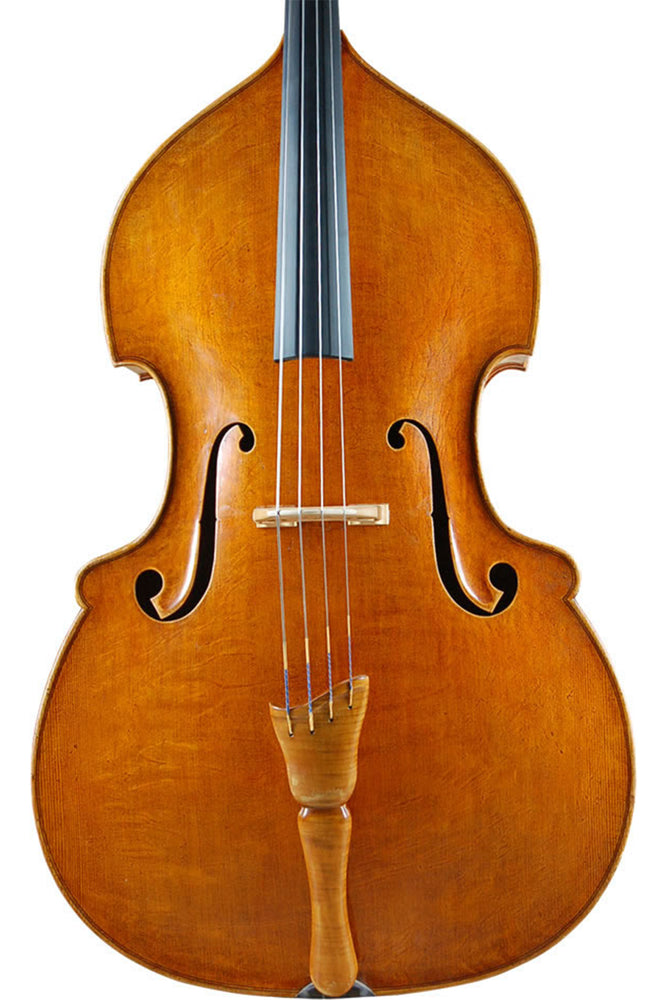
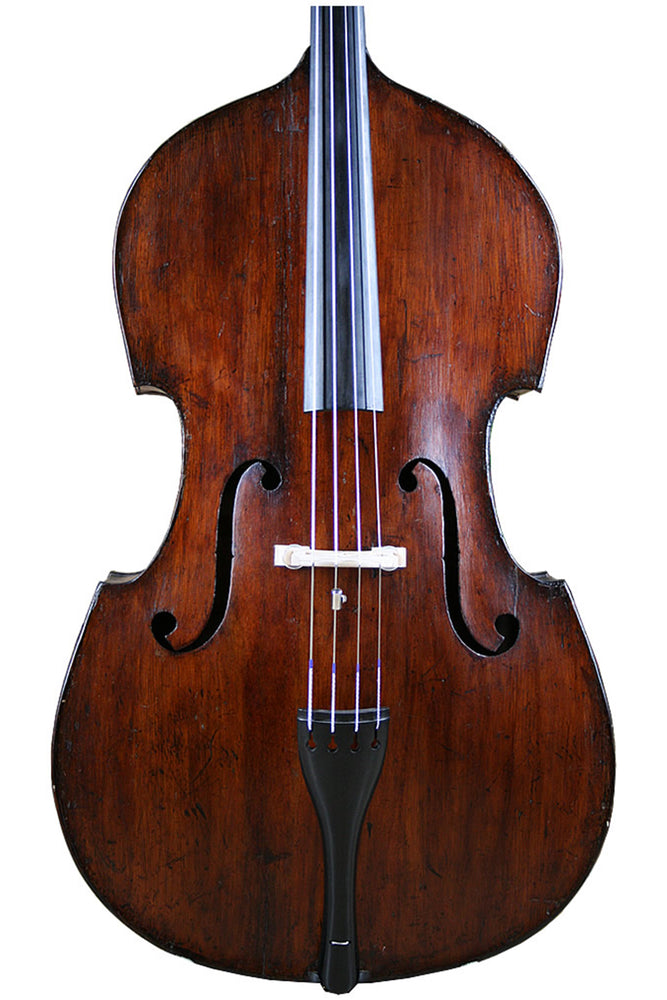
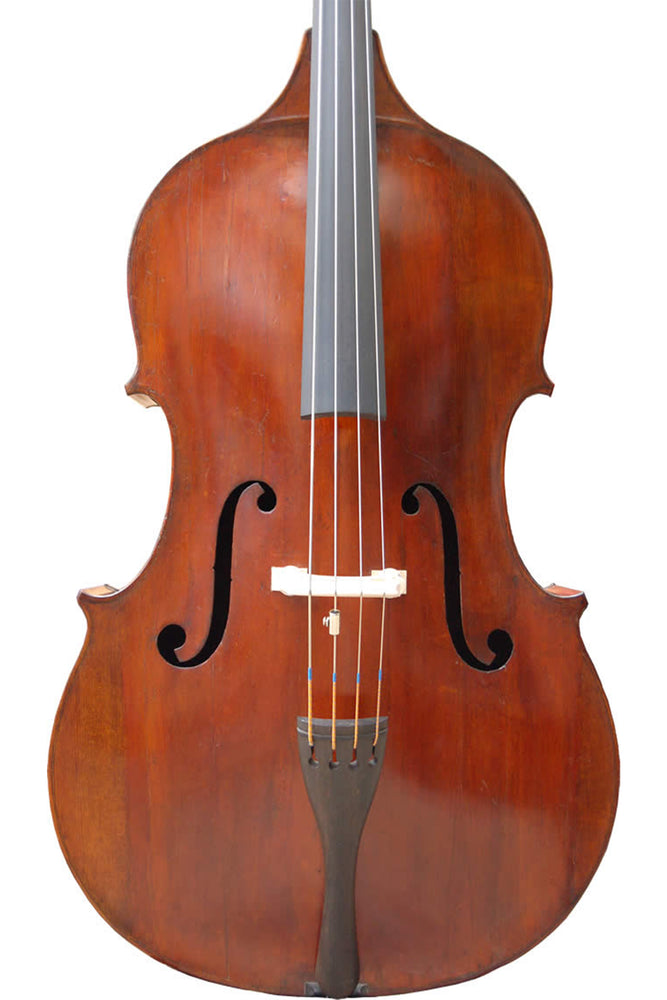
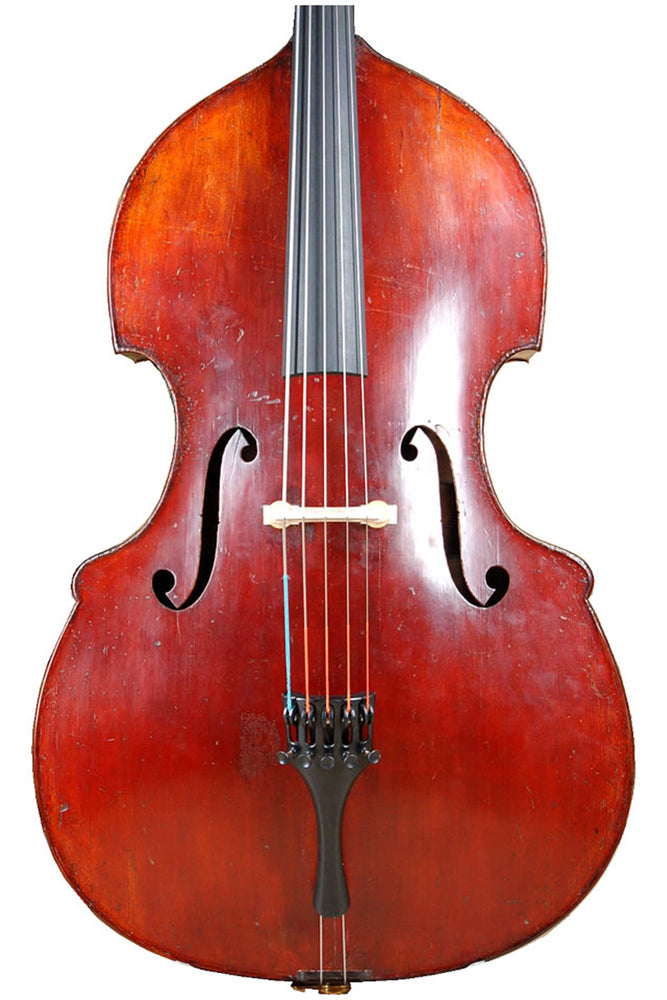
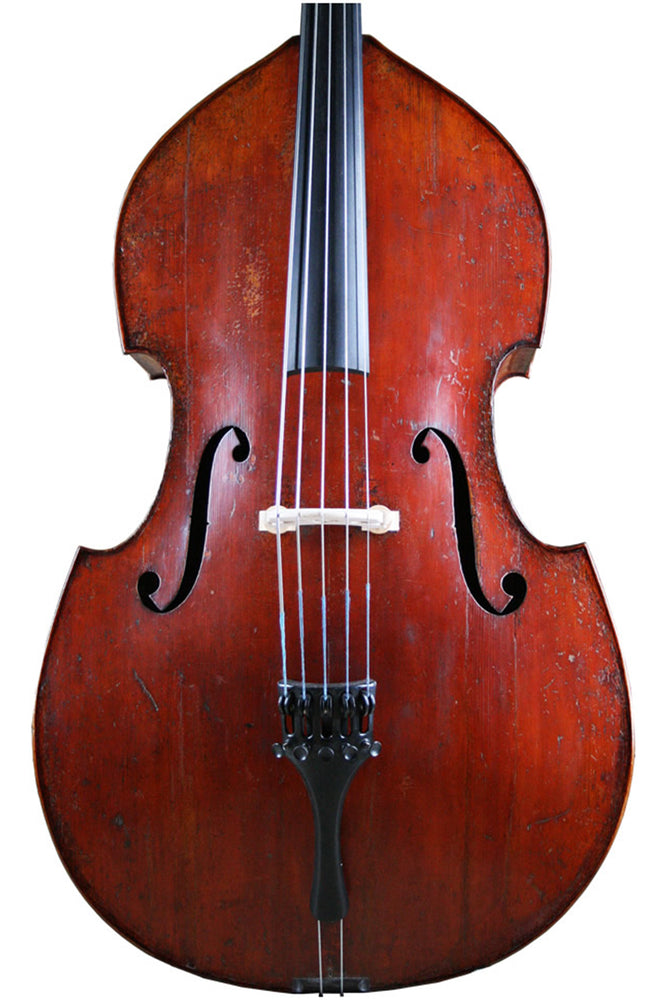
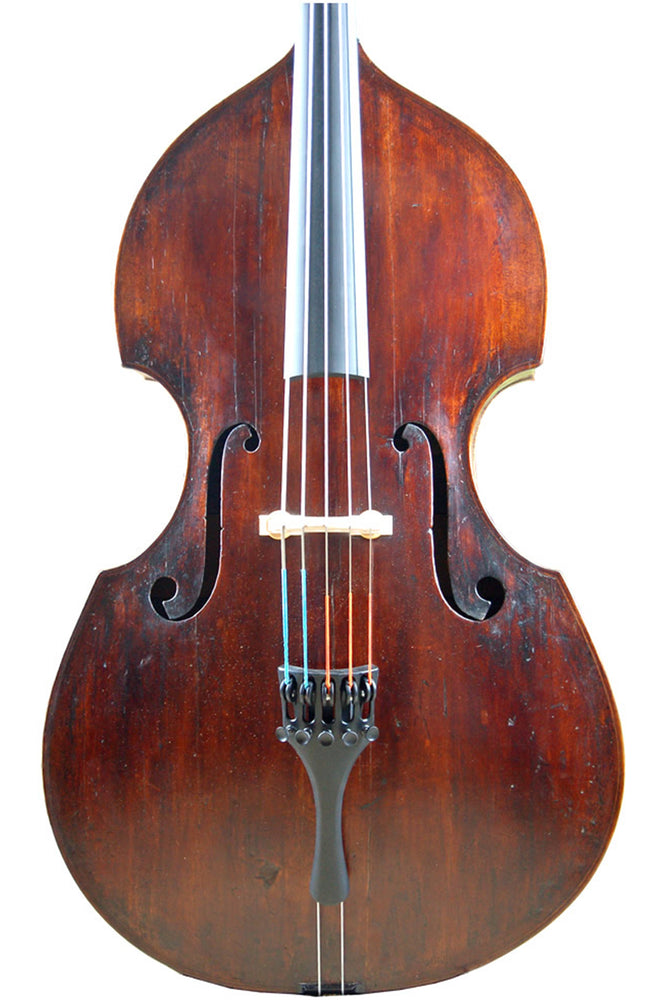
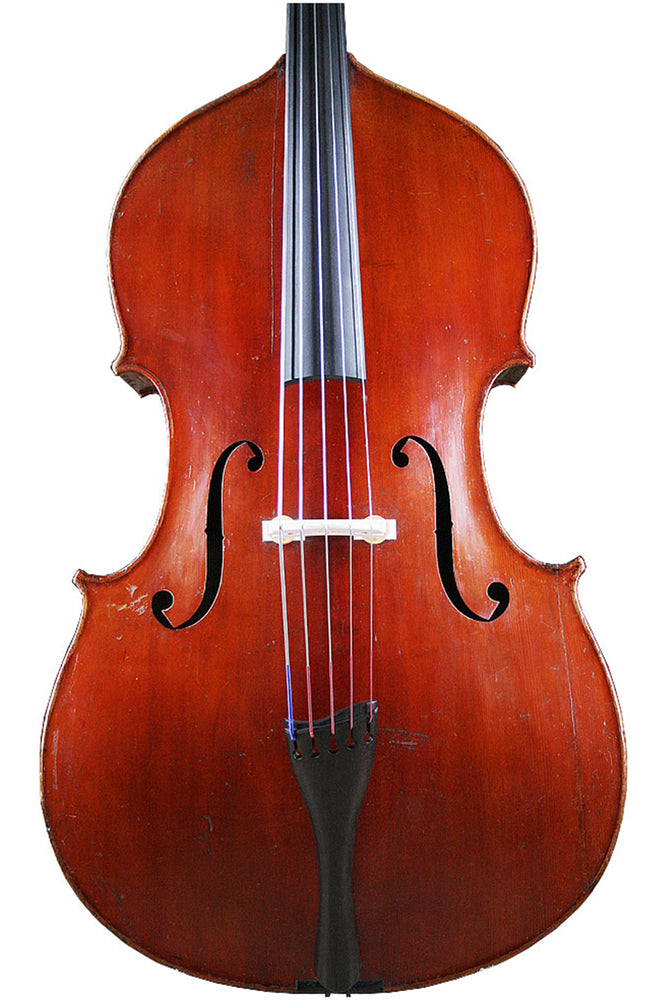
Front image of A top quality English double bass circa 1885 attributed to James William Briggs
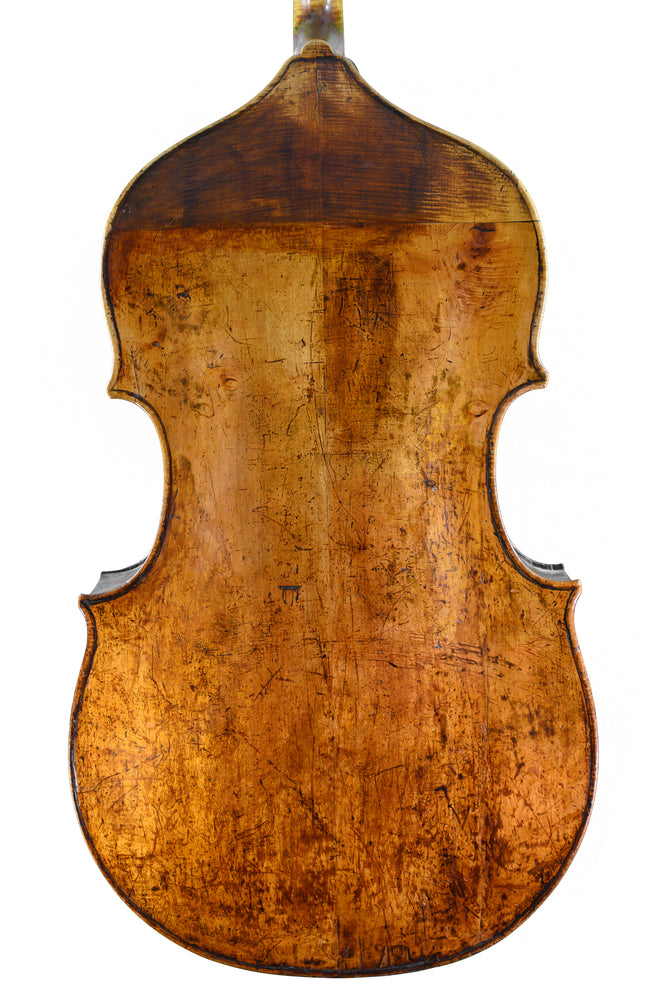
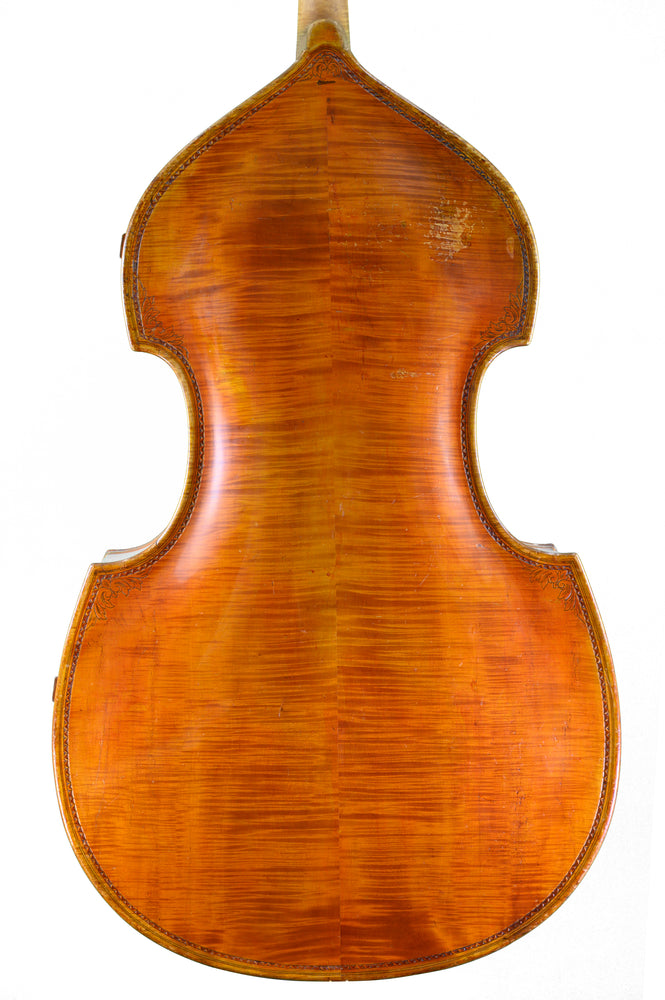
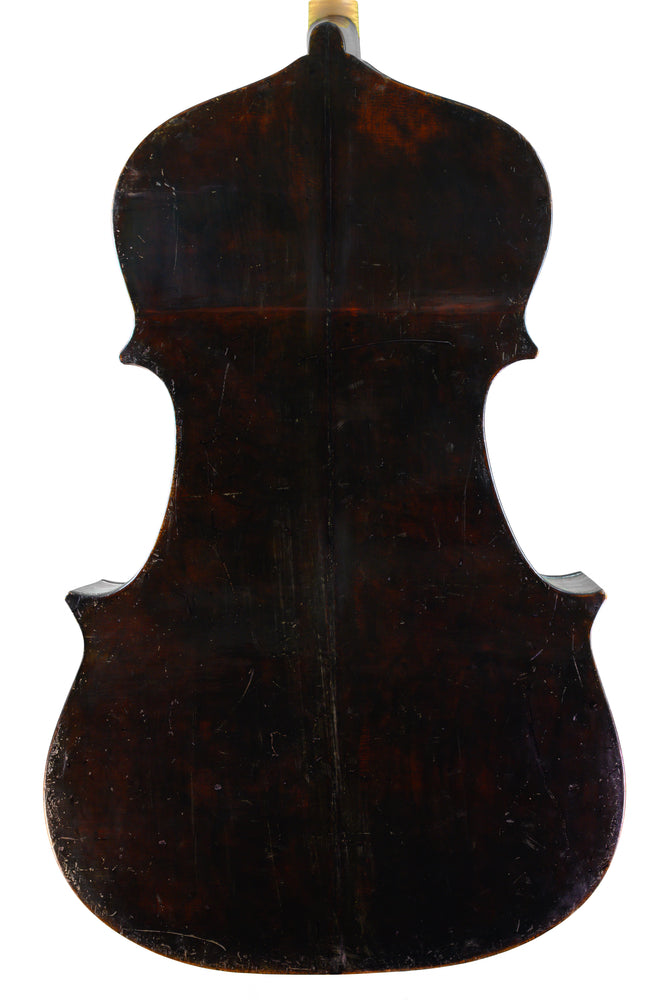
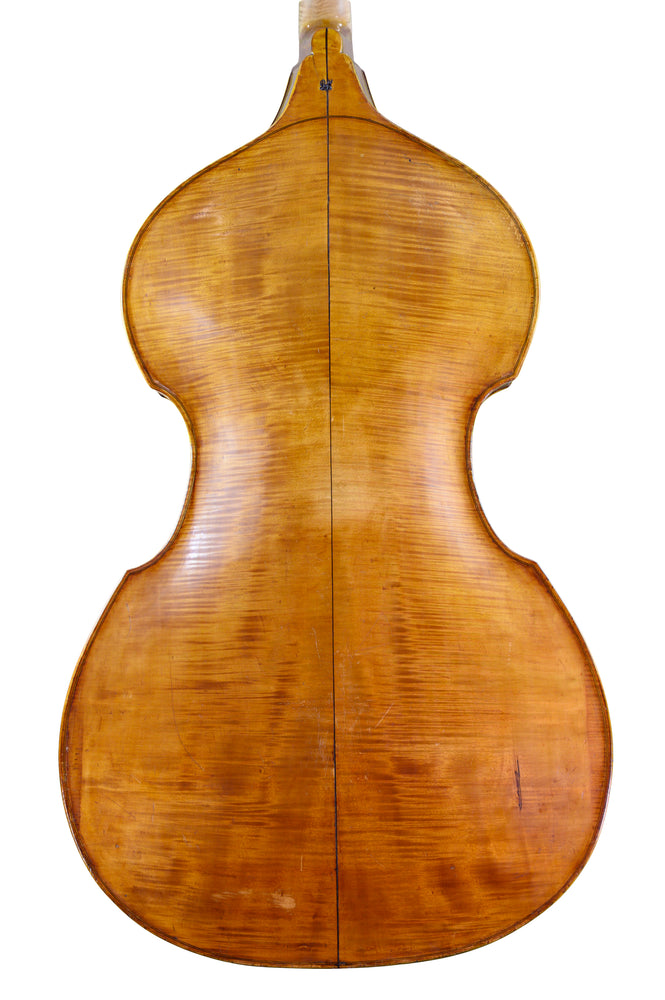
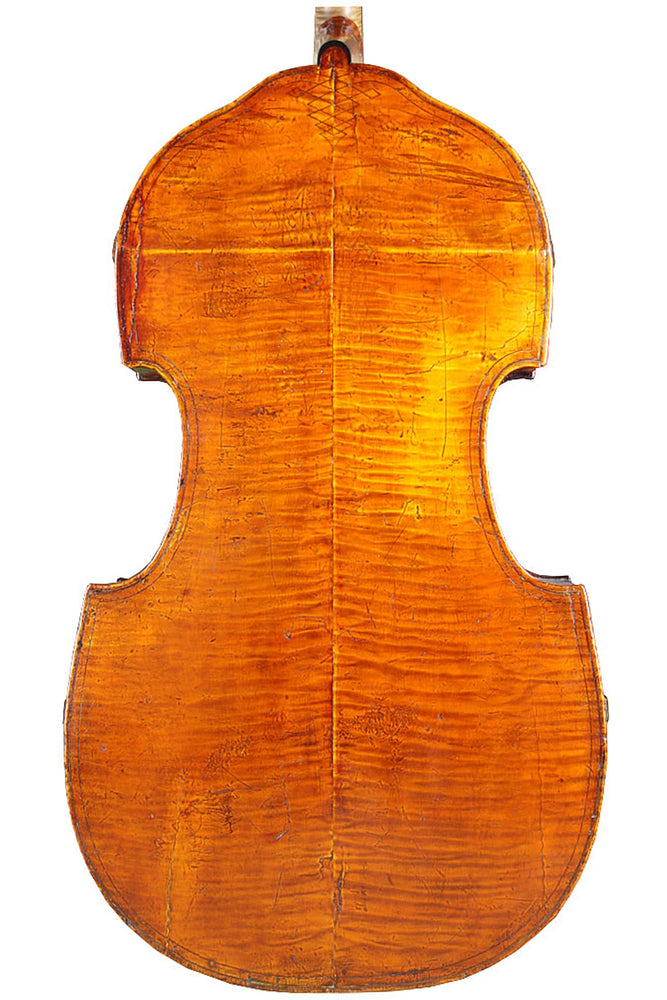
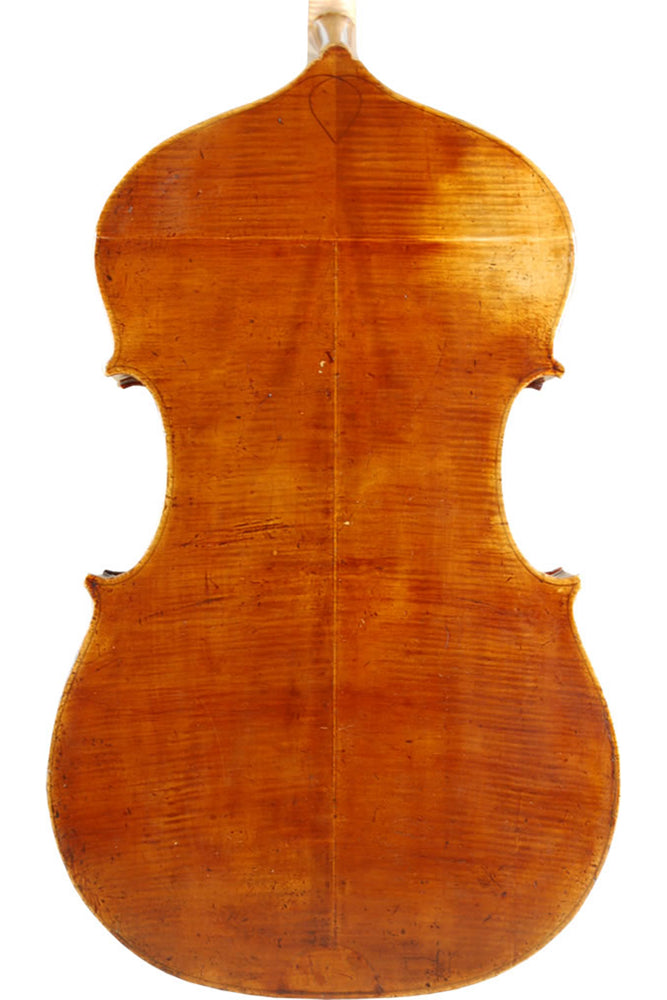
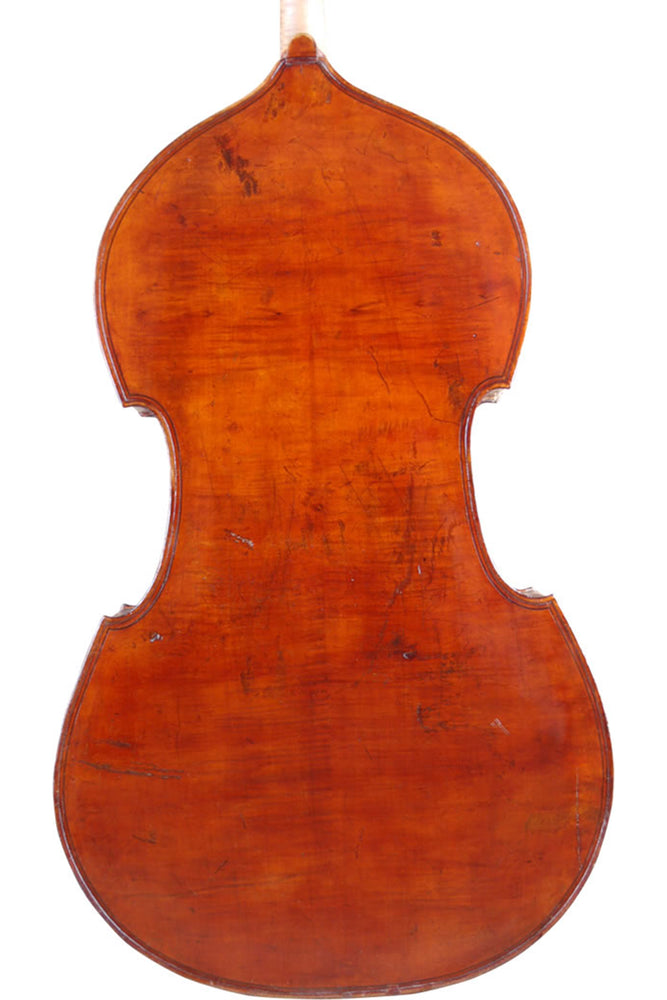
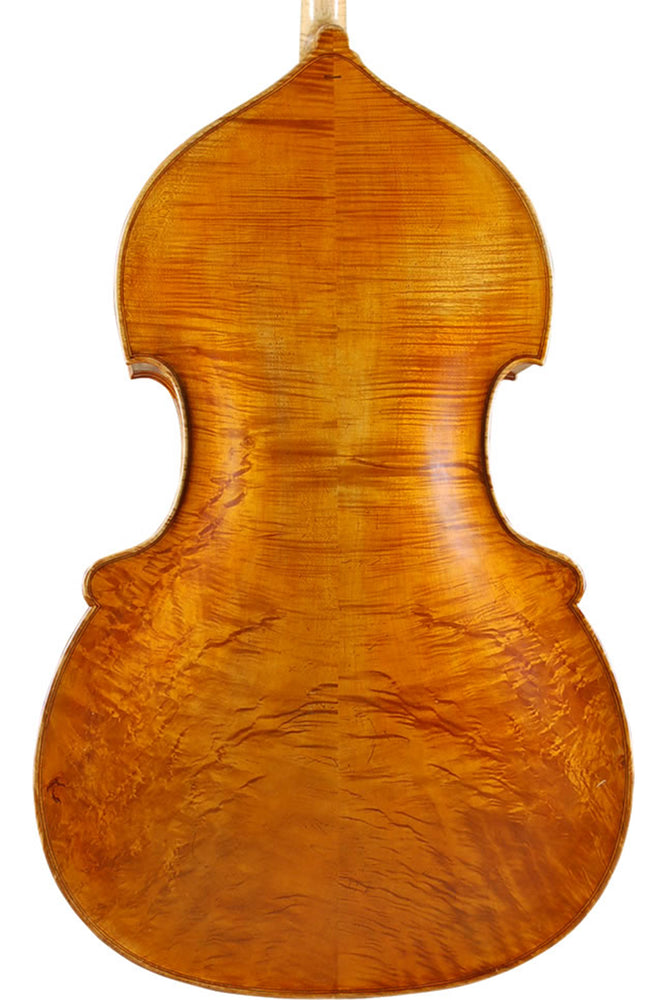
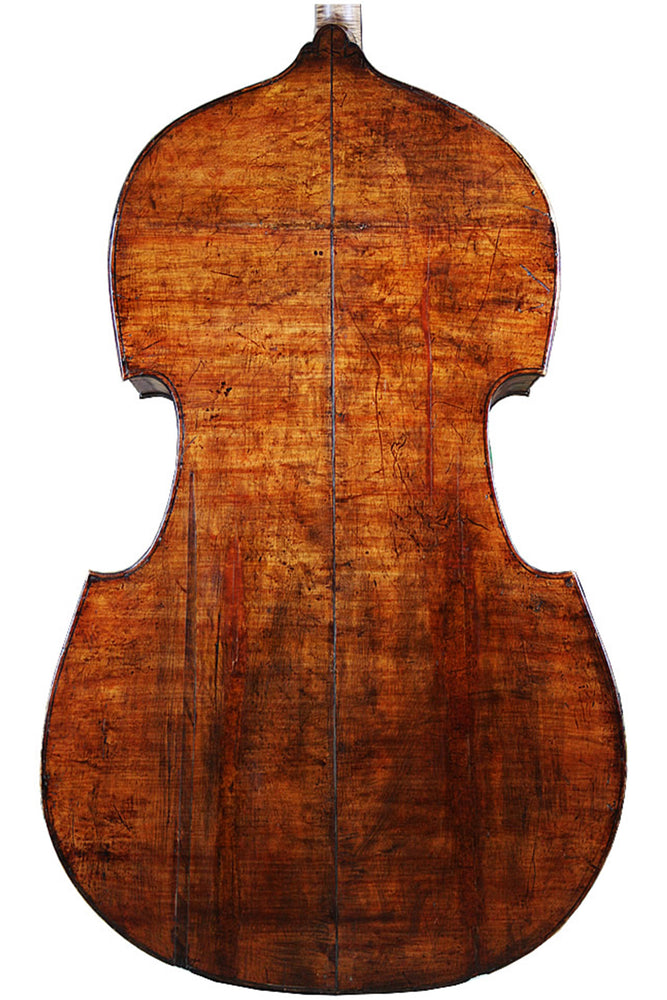
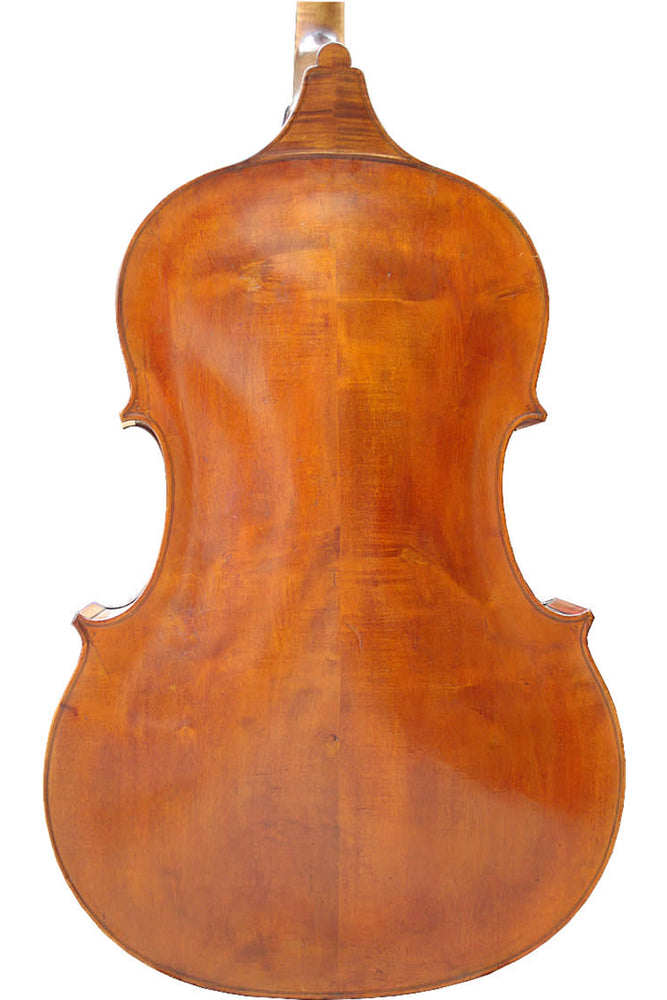
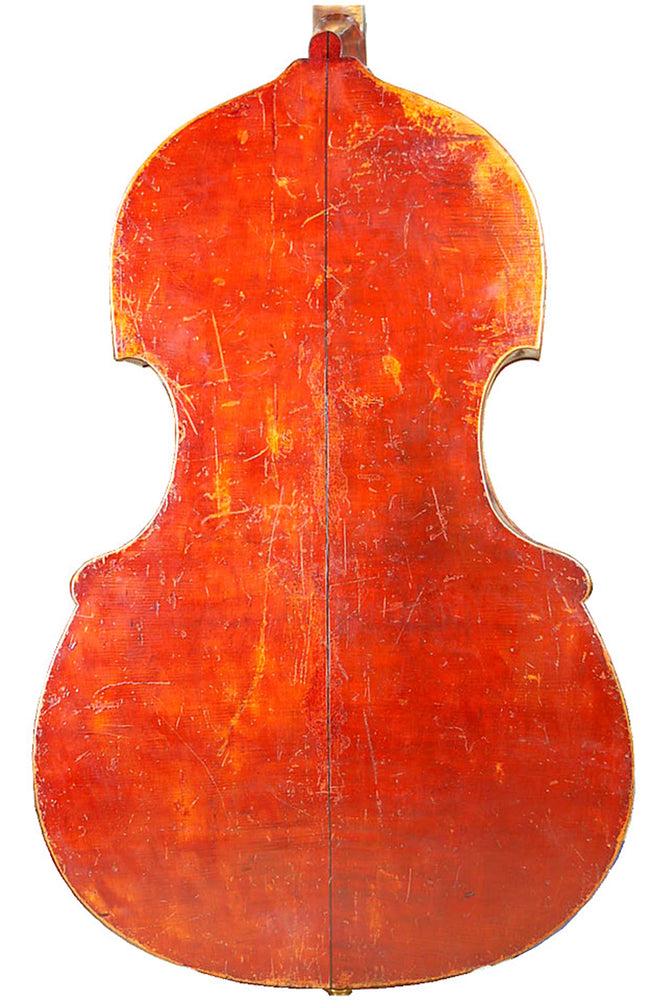
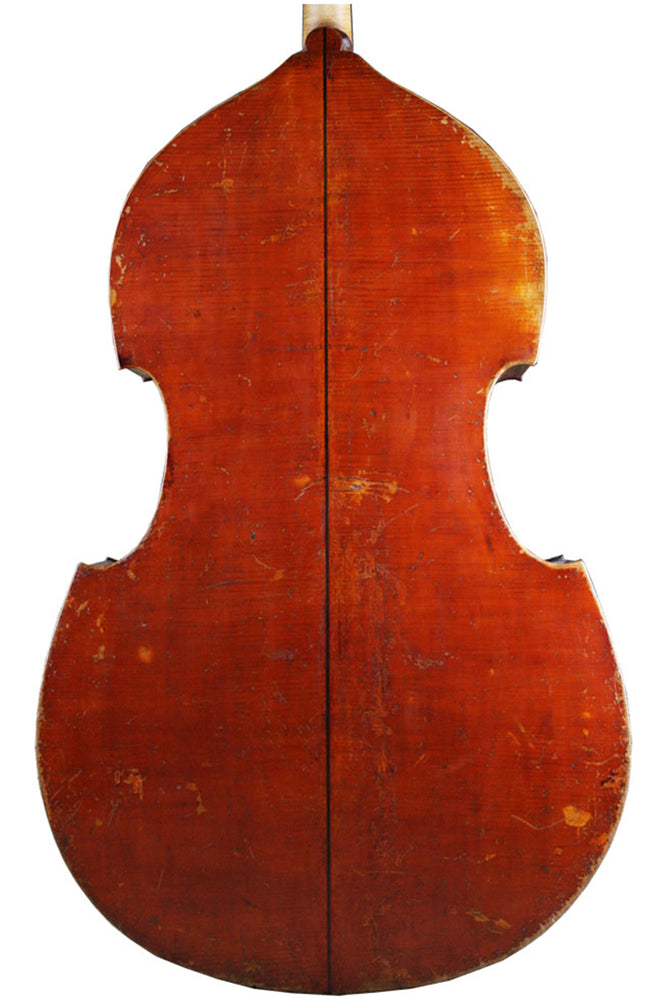
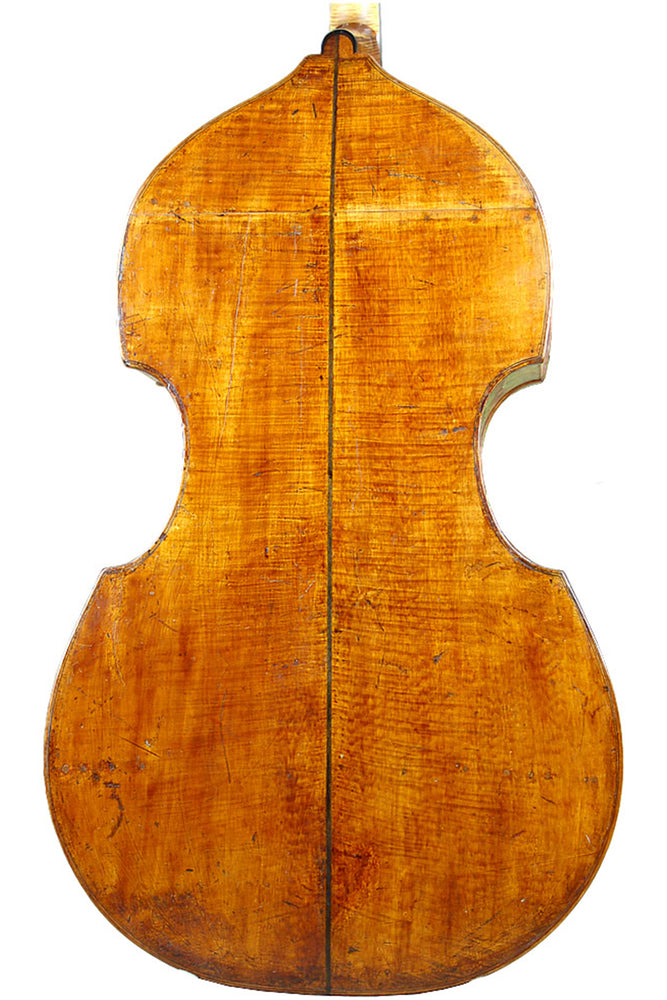
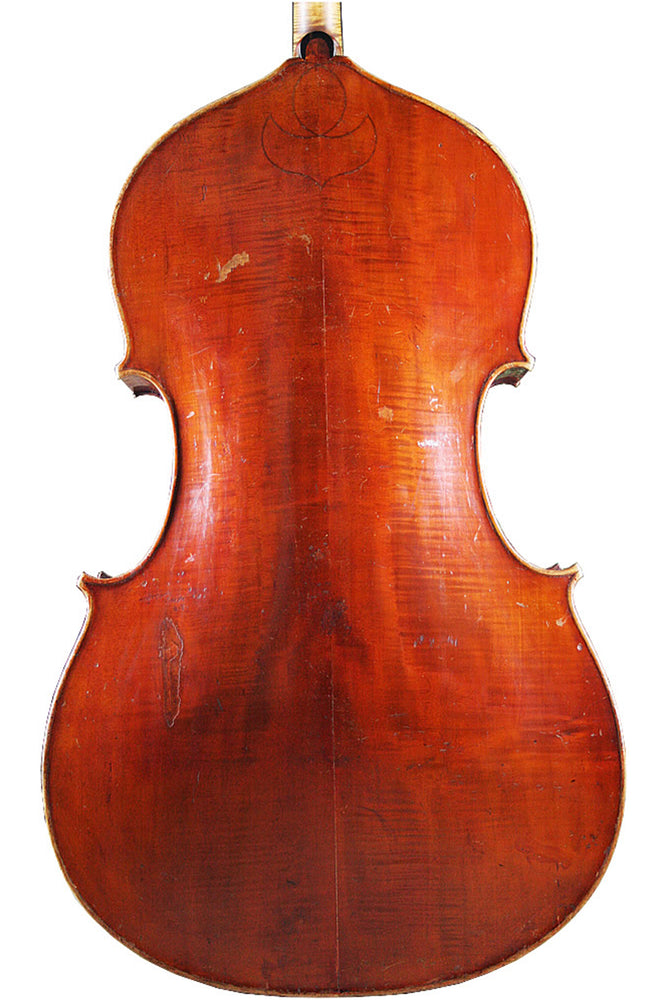
Back image of A top quality English double bass circa 1885 attributed to James William Briggs
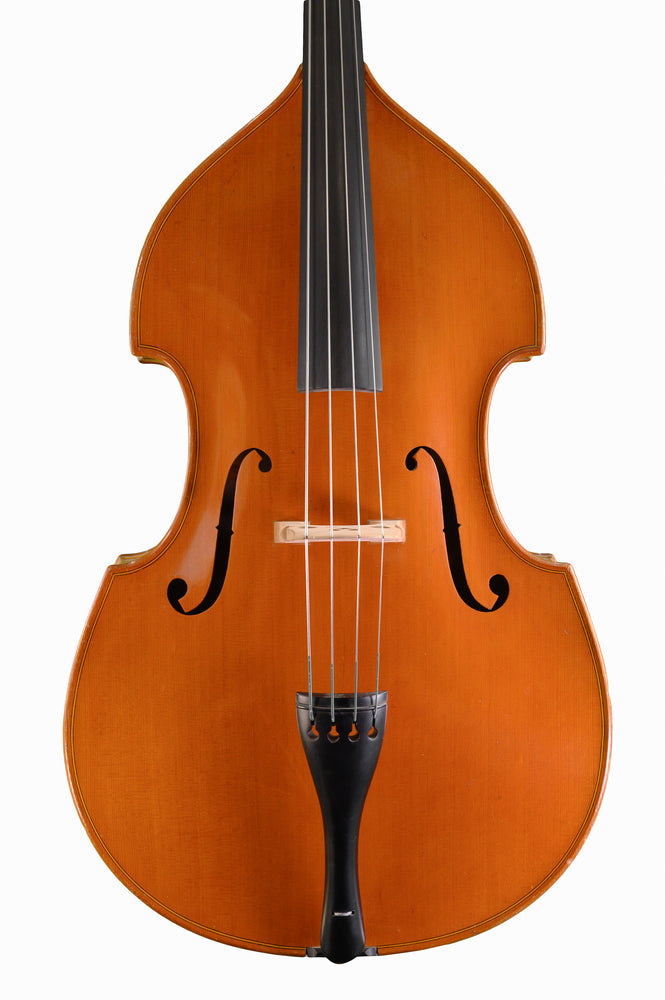
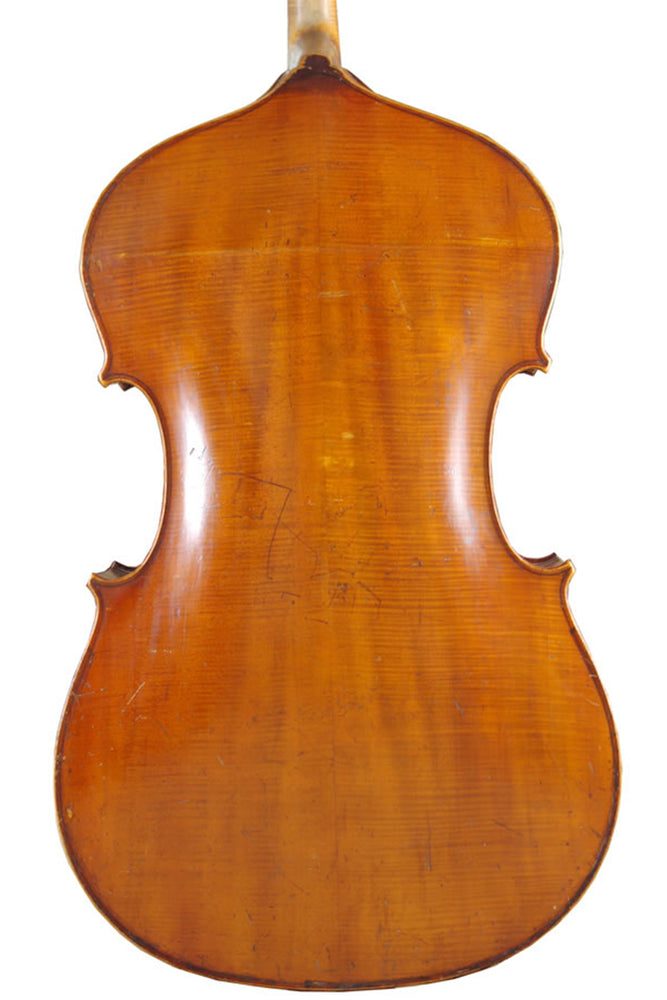
Side image of A top quality English double bass circa 1885 attributed to James William Briggs
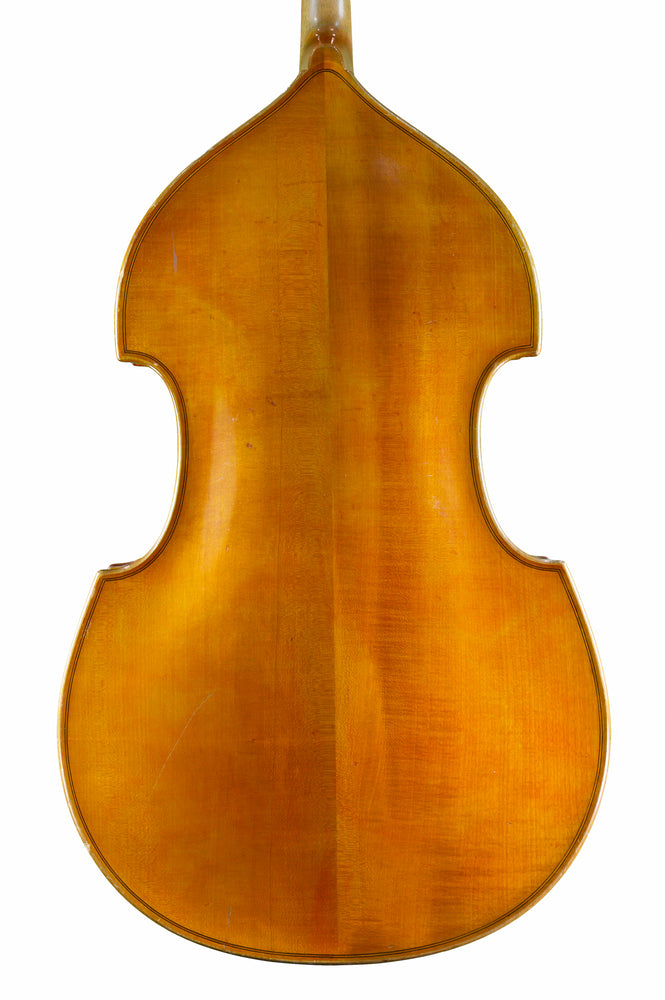
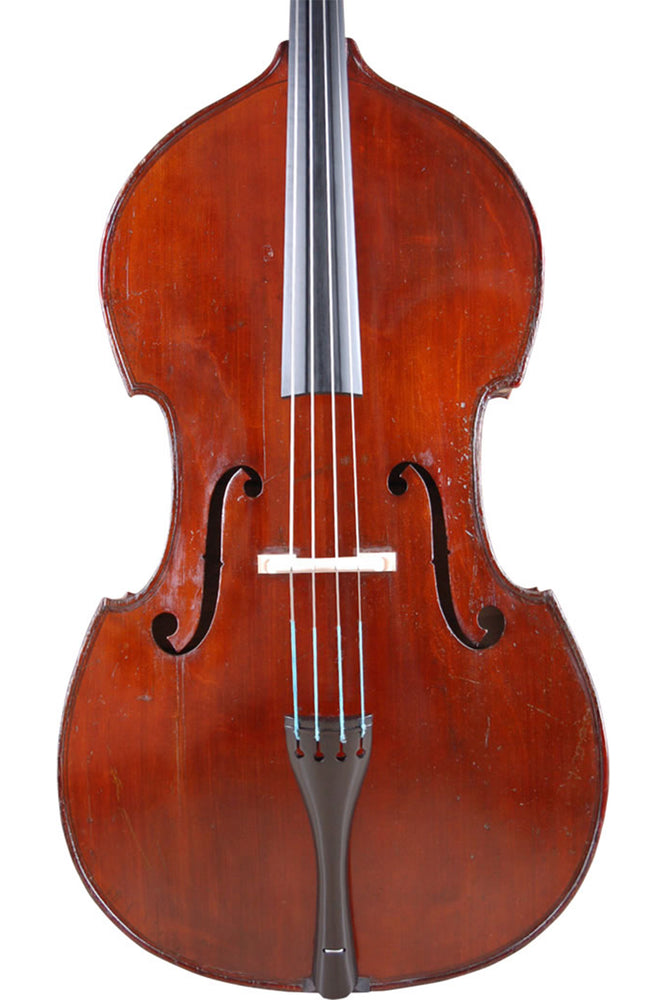
Scroll image of A top quality English double bass circa 1885 attributed to James William Briggs
Click to zoom to A top quality English double bass circa 1885 attributed to James William Briggs

Up until relatively recently we had believed that this well proportioned viol shaped instrument had been the work of John Devereux who worked in London with Bernard S. Fendt before emigrating to Australia in about 1864. Like many of the Maggini copy instruments made by Fendt, this instrument has a distinctive double purfilling that flows around the shape of the back button, continuing on the upper and lower back to form two simple geometric patterns. Because few Northern English makers bothered with double purfilling it was very natural to assume that this Fendt like characteristic must be from a maker with a close association with Fendt. Indeed the previous owner swore that it was categorically a Fendt bass. So you can see why Briggs never entered the equation.

Confusion arose over almost every aspect of the instrument. The workmanship, the flattish arch of the table, the stunning golden-brown varnish over a yellow ground and the distinctive rib wood (which is of the exact same type as that used by Vincenzo Panormo on many of his basses - a beautiful fine English or European sycamore probably grown in a cool climate, slowly and evenly) all strongly suggested London. Even the fine and distinctive Brecian type scroll that tops the instrument added to the dilemma, because it could well have been produced by Devereux.

From London to Northern maker doesn't say too much for your expertise? Yes we do apologise for our complete reversal of thoughts on this particular instrument but this is exactly why a good instrument dealer should continue to research and question everything. What had confused us apart from the elaborate purfilling was the quality of the work. Seldom has such quality of timber, varnish and workmanship been lavished on one instrument by any Northern maker. It is comparable to the best of London work and is even more exceptional for having being made by a Northern English maker.

So what aspect of the instrument finally made you realise that it is the work of Briggs? Well the answer is all in the F holes. They are so typical of this maker. After that things do slot into place.

Two internal pencil inscriptions and brands from the Bolton repairer Tom Nuttal point toward the less than desirable repair work that had taken place during the first quarter of the 20th century on this instrument. Having removed and replaced all offending work, this instrument is now offered in a fully restored condition. Undertaken by Martyn Bailey and ending in a repair bill in excess of UK£ 7,500 the major restorations to the table included re-gluing and securing of all the cracks. No less than 77 separate studs were used plus a post patch, upper bass bar patch, two joined patches to correct an over thinned table area, new bass bar and total re-edging work. Additionally, replacement back bars and a new neck and board have rescued this fine instrument.

When played one will be thrilled by the way the whole of this instrument vibrates. The tremendous power and quality of sound that comes forth is an equal to the finest of Italian instruments.

A hardened professional recently described it's qualities as follows “It's really quite astonishing. Words can not begin to describe how enjoyable this instrument is to play”.

Width at the upper bout 22in (55.7cm)
Width at the centre bout 15.4in (39.1cm)
Width at the lower bout 28.4in (72.2cm)
LOB 45.4in (115.3cm) 
String length 41.4in (105.2cm)

SOLD.

Front View

Back View

Front View Back View
Side View Scroll view

Side View

Scroll View

 
Back to the Top Quality Double Bass Section
Back to top
Contrabass Shoppe footer Click here to review some of the instruments previously sold by The Contrabass Shoppe Click here for our range of Budget Double Basses up to UK £5000 Click here for our quality Double Basses up to UK£20,000 Click here for our highest quality Double Basses over UK£20,000 Click here for our quality Double Bass Bows Click here for our quality Double Bass Accessories Click here for our range of Double Bass specialist Books Click here for the web site introduction Click here to discover more about The Contrabass Shoppe Click here for the outstanding Double Bass Gallery Click here to discover our articles in relation to the Double Bass Click here for videos, audio, photos and articles from the Shoppe Click here to make contact with us Click here to make contact with us Click here to email us.