
|
Instrument description:
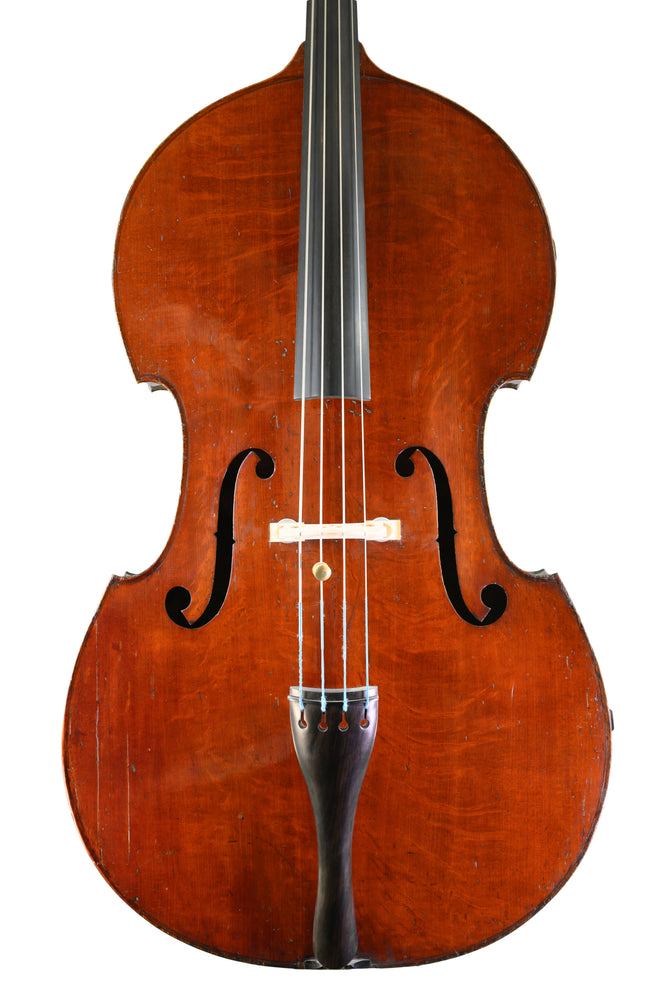
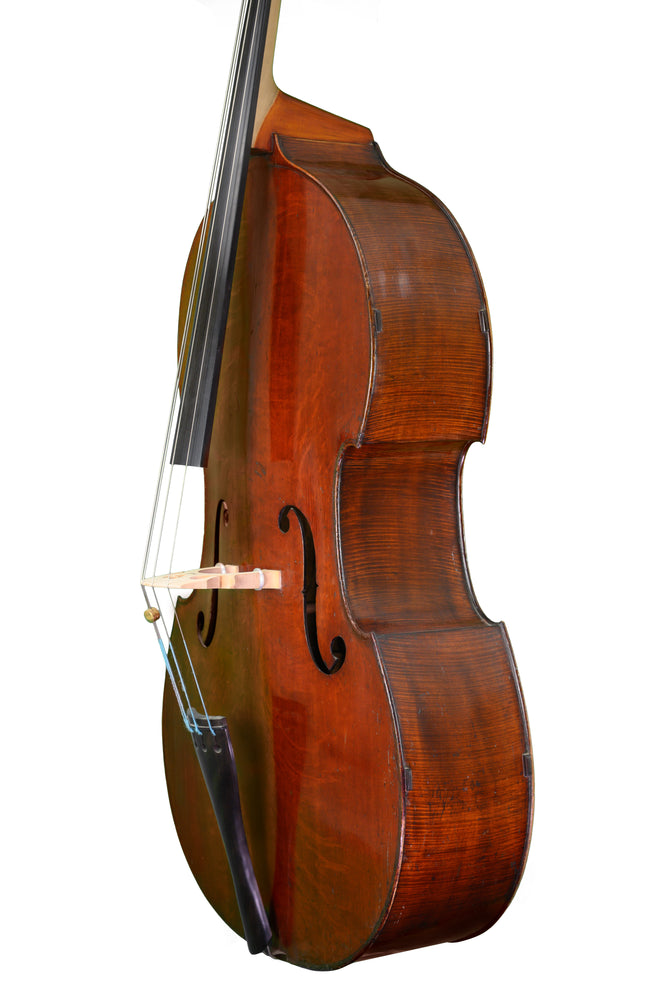
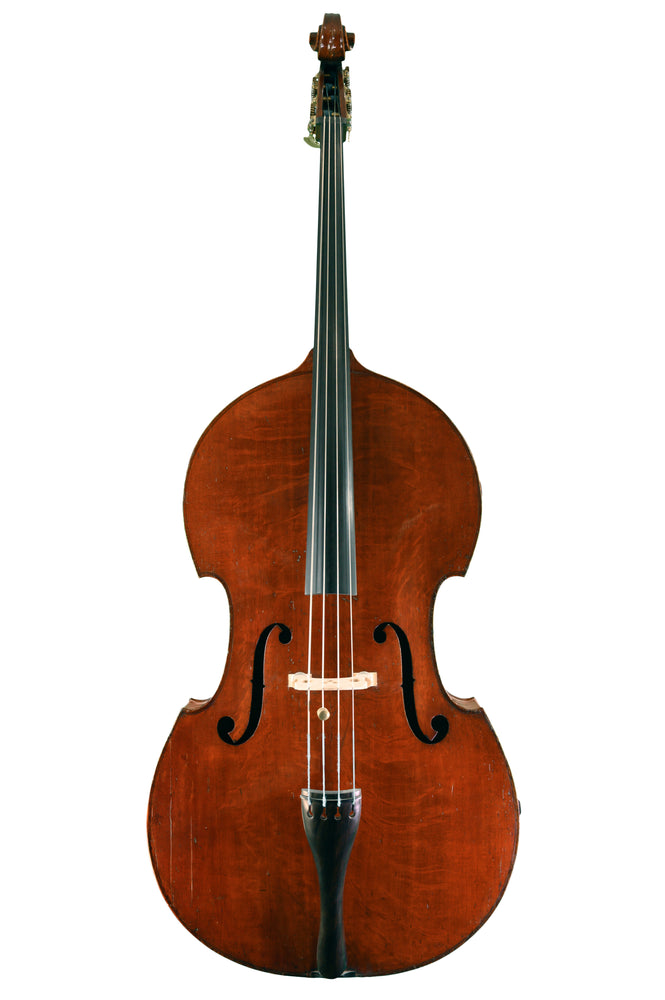
Jerome Thibouville-Lamy circa 1920 viol-shaped with flat back.
Wood:
The table is made of an even-medium grained spruce. A particular
characteristic of this table wood, and one that is extremely handsome,
is a flame-like effect caused by the visibility of medullary rays
rippling through the wood. This suggests that the wood was split
at a lesser angle than that used for quarter-sawn timber. The back
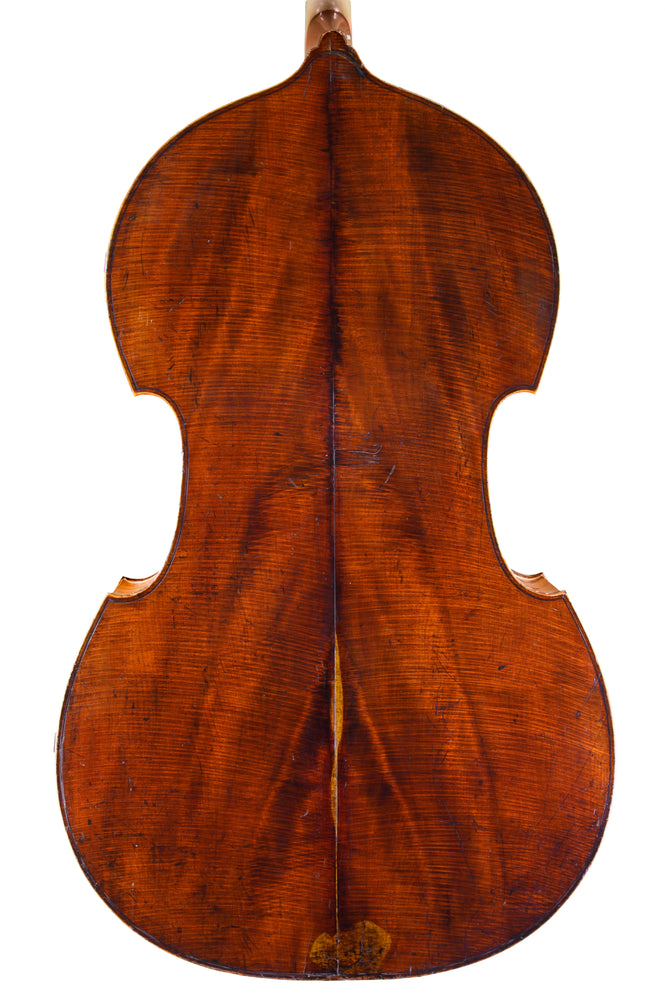
is made from maple that shows a strong vertical grain. There is
little natural flaming. The ribs and scroll are also made of maple
of minimal real figuration. What is visible on the back, ribs and
scroll and looking every bit as though the wood has a stunning high-figuration
is an effect known as a “simulated flame”. During the
first quarter of the twentieth century wood of a particularly plain
nature was enhanced by a technique that involved the painting on
of a flame-like marking to the wood before it was varnished.
Varnish:
Original. A superb spirit based varnish of a translucent dark-redcurrant
colour.
Machines:
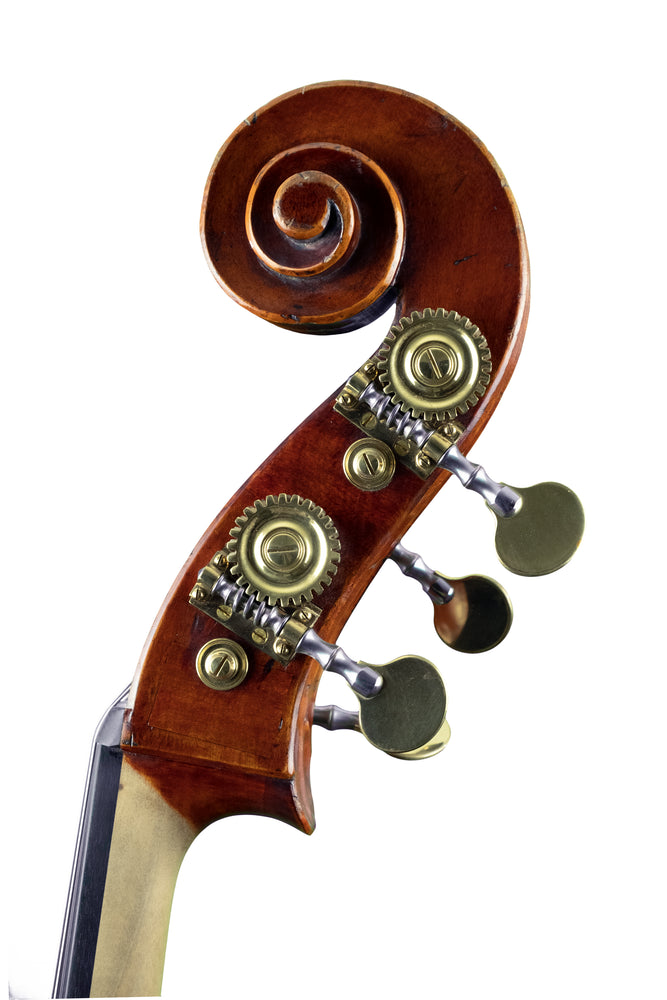
A new set of French style machines. Because this instrument was
originally made as a three stringer and the peg box was incapable
of accommodating an additional cog of a similar size to that of
the originals The Contrabass Shoppe has fitted a really neat set
of smaller-diameter cogs that reflect well the style of the originals.
Restoration
and correctional work: Many instruments that emanate from
France possess tables of a thickness that are incapable of vibrating
properly. The sound produced by these instruments is characteristically
thin and nasally. The French players of yesterday and perhaps to
a degree still today lean towards this type of sound. In contrast
the worldwide market demands as much tone and as much sound as is
possible from an instrument. To this end this table of this instrument
has been reduced from the totally incredulous figure of 15mm (in
places) to a much more conventional thickness of around 9mm. The
results speak clearly for themselves. In addition to this correctional
work a new bass bar of the right length and depth has been fitted,
there is a superb new neck and fingerboard and endpin unit, sound
post and bridge have all been fitted. A crack to the back of the
peg-box has been sorted out so that you'd never know it ever
existed and the new set of machines has been fitted with the utmost
of care.
Cost of restoration
and fittings: UK£3962-10 inc VAT.
Structural condition guarantee: A digital
photograph of the inside table accompanies this instrument and provides
complete evidence as to the extent of work necessary to place this
instrument into the A1 structural condition that it is now offered.
The photo also reveals the incredibly high standard of work that
is demanded by The Contrabass Shoppe.
Restorer:
Martyn J. Bailey of M. J. Bailey Luthier Ltd.
Sound:
Big round and gutsy with plenty of projection and lots of colours.
Overall impression:
Due to the original thickness of the table and the resultant “dead”
sound we reckon that this instrument has hardly ever been played
upon since it was new. Consequently it looks virtually as it did
when it was made back in the 1920s. Really the varnish is quite
mint. This is most definitely a beautifully presented instrument
with a large quality sound. Fitted-up with an adjustable bridge
and Thomastic tailpiece this is one gorgeous baby to play. Superb
looks and superb sound that will most definitely appeal to all you
jazzers out there.
Width at the upper bout 22in (55.7cm)
Width at the centre bout 15.25in (38.5cm)
Width at the lower bout 27in (68.3cm)
LOB 45in ( 114.2cm )
St length 42in ( 106.4cm )
|