|
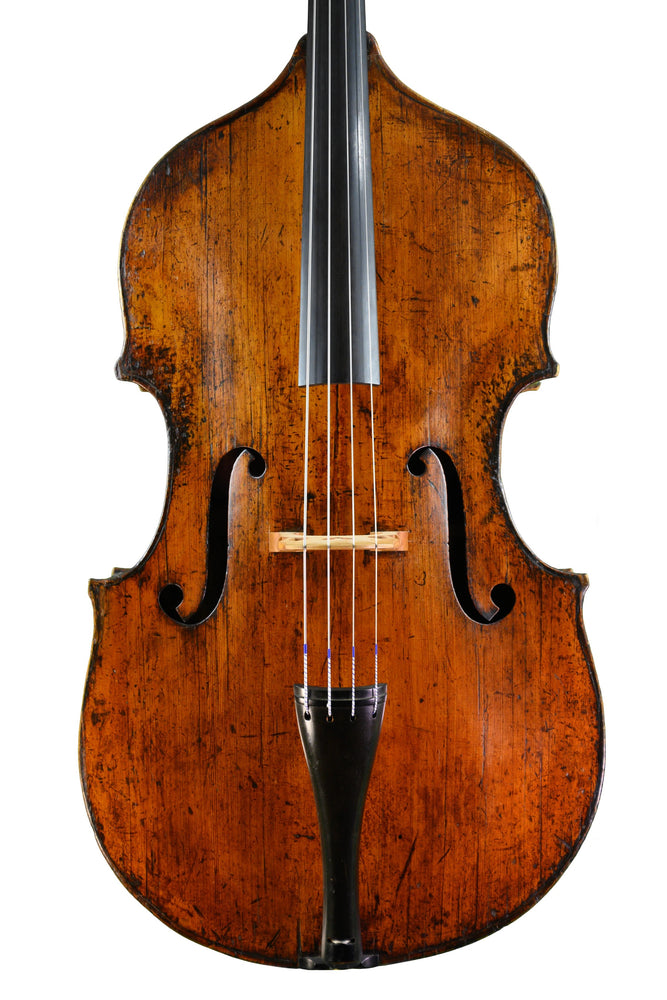
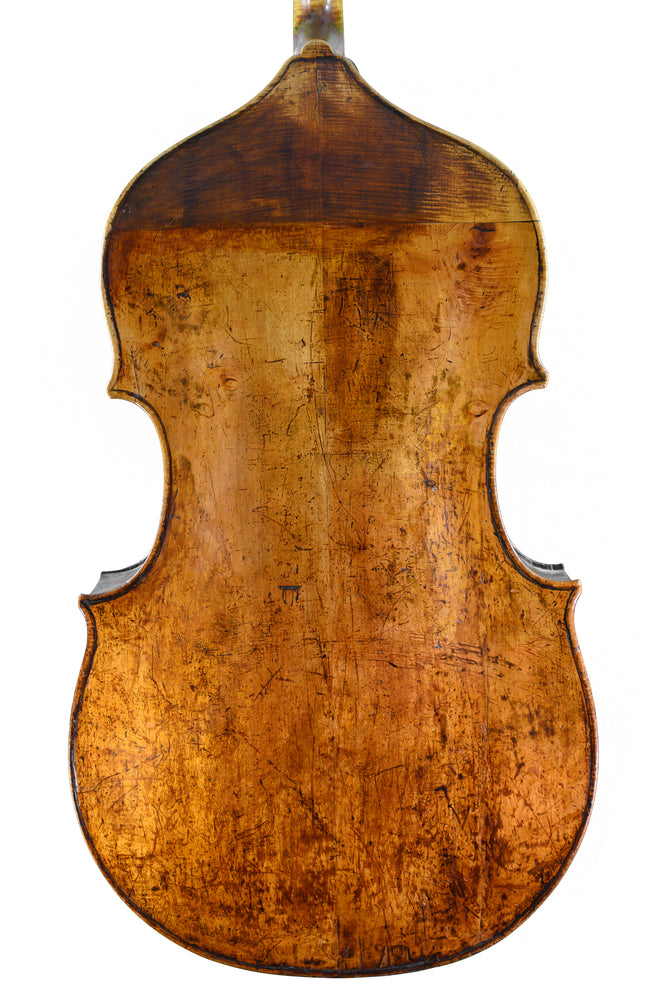
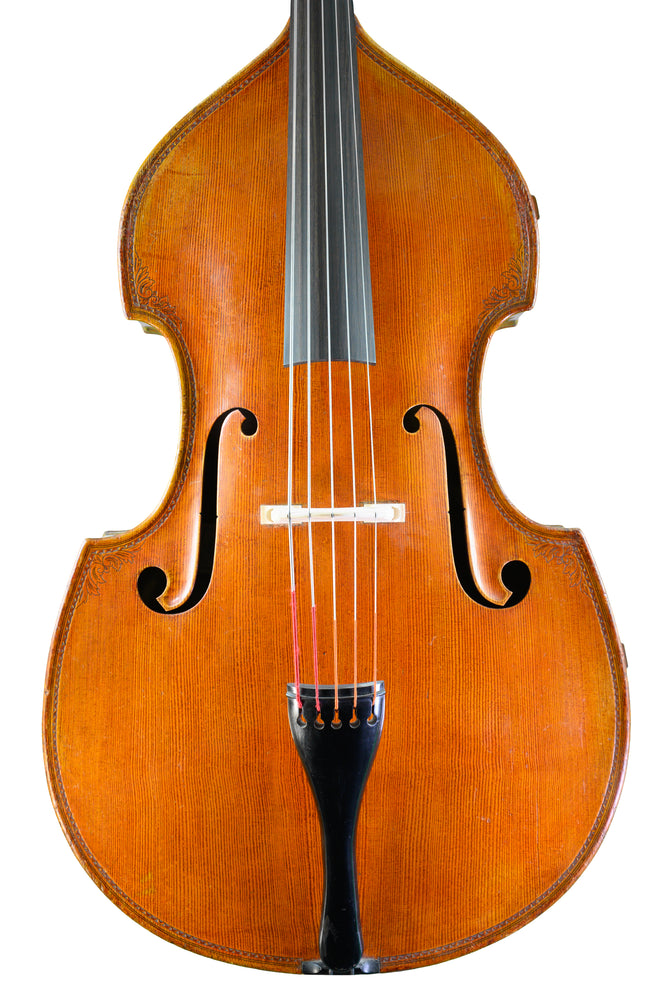
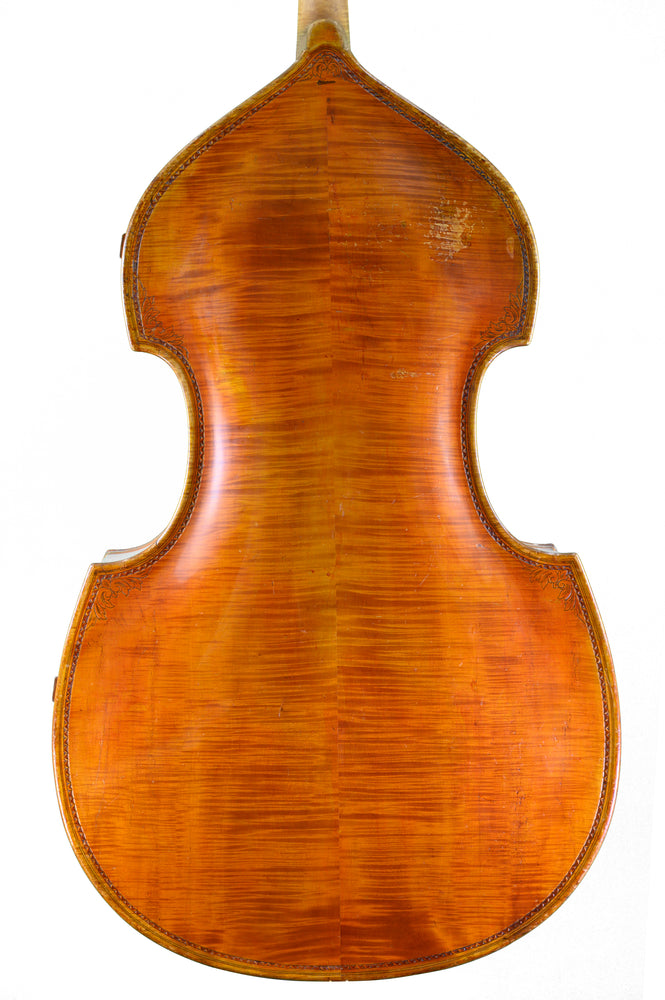
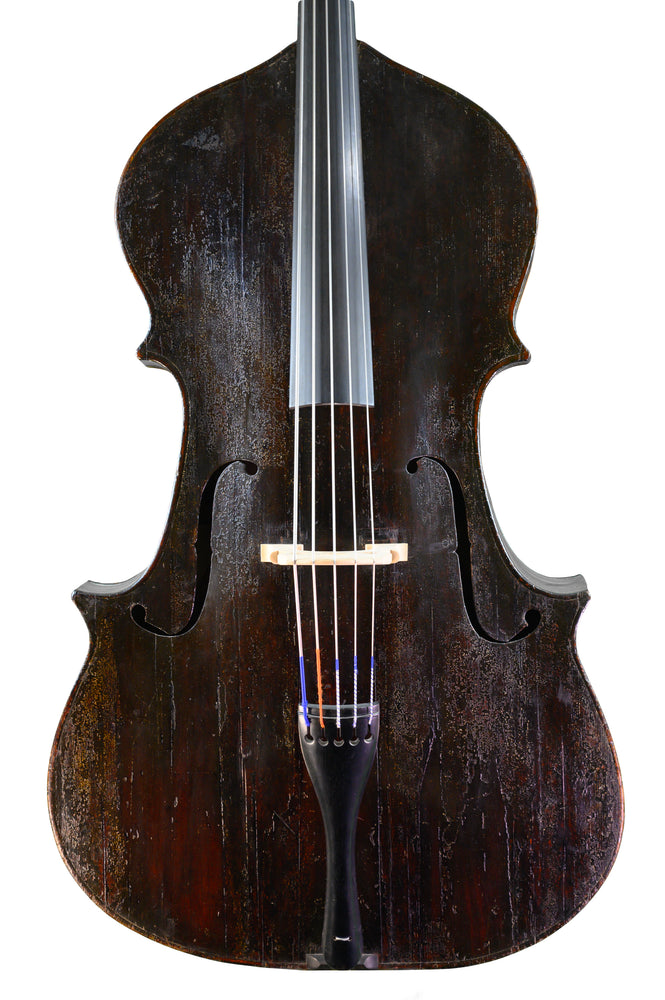
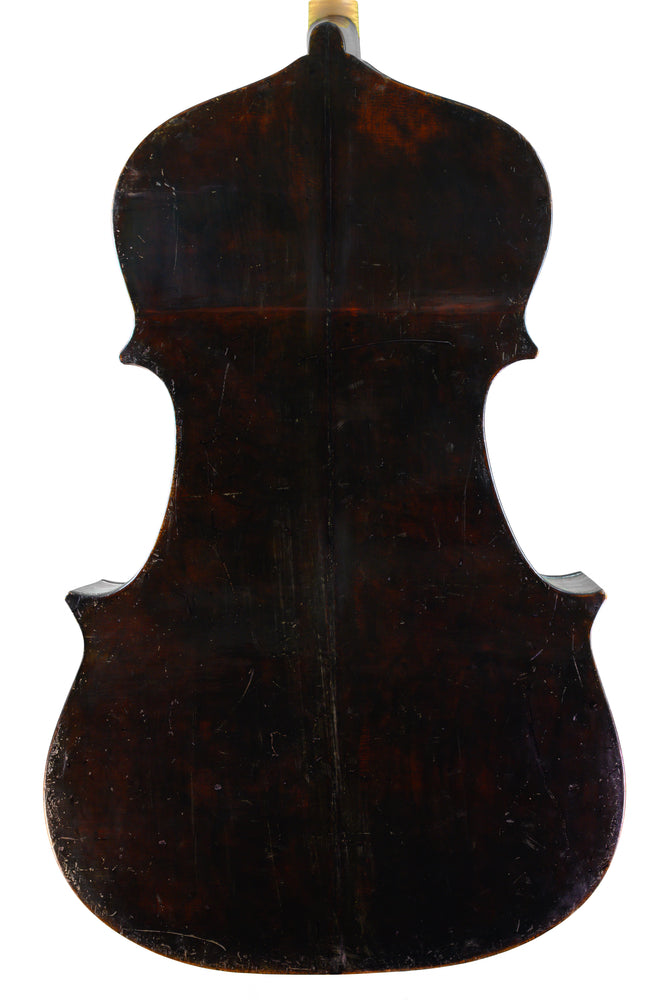
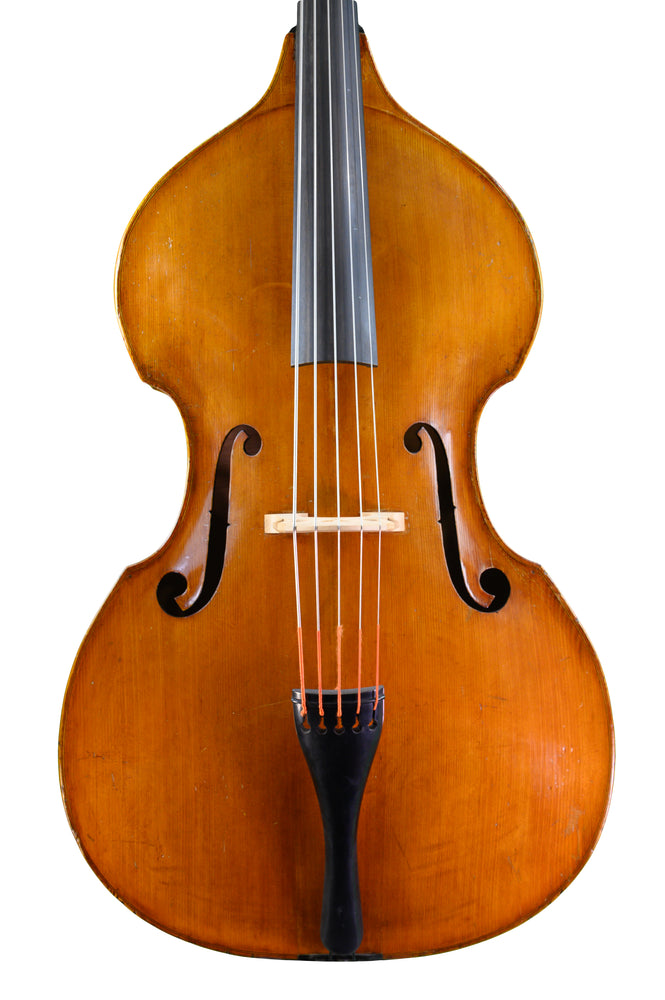
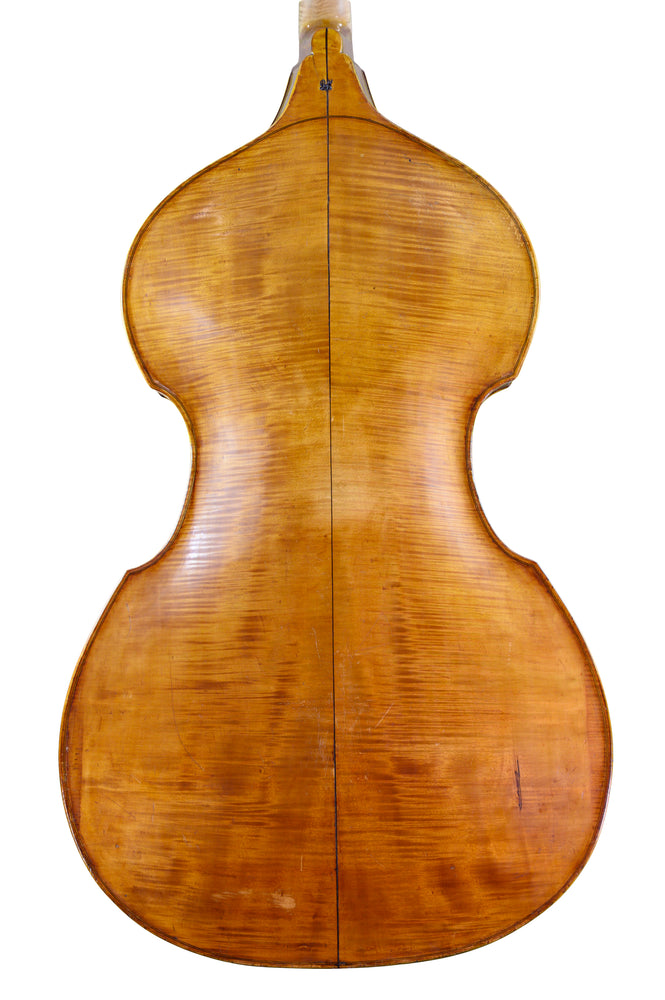
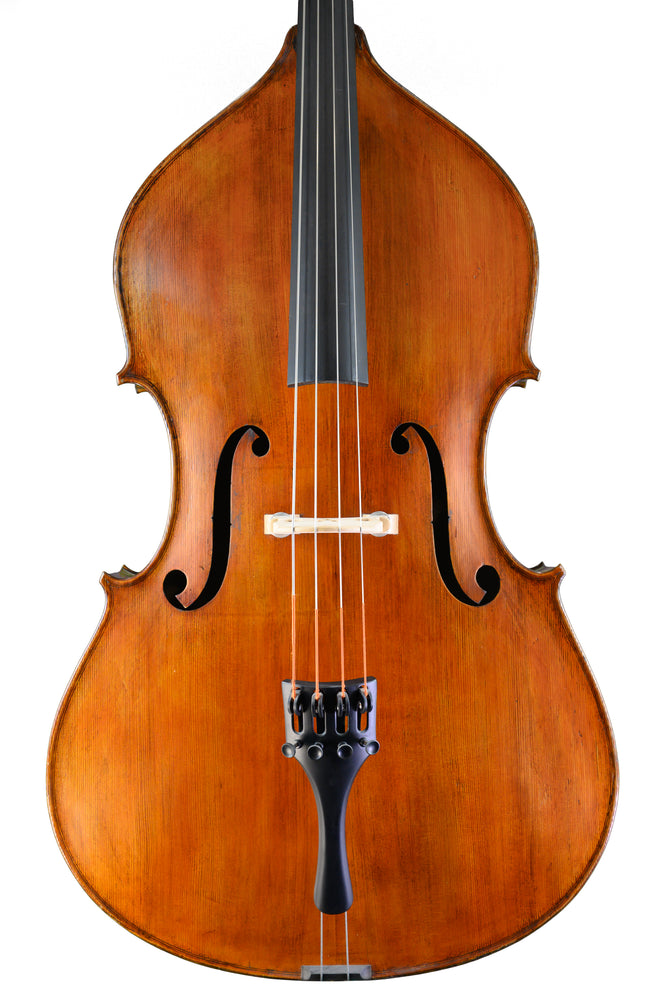
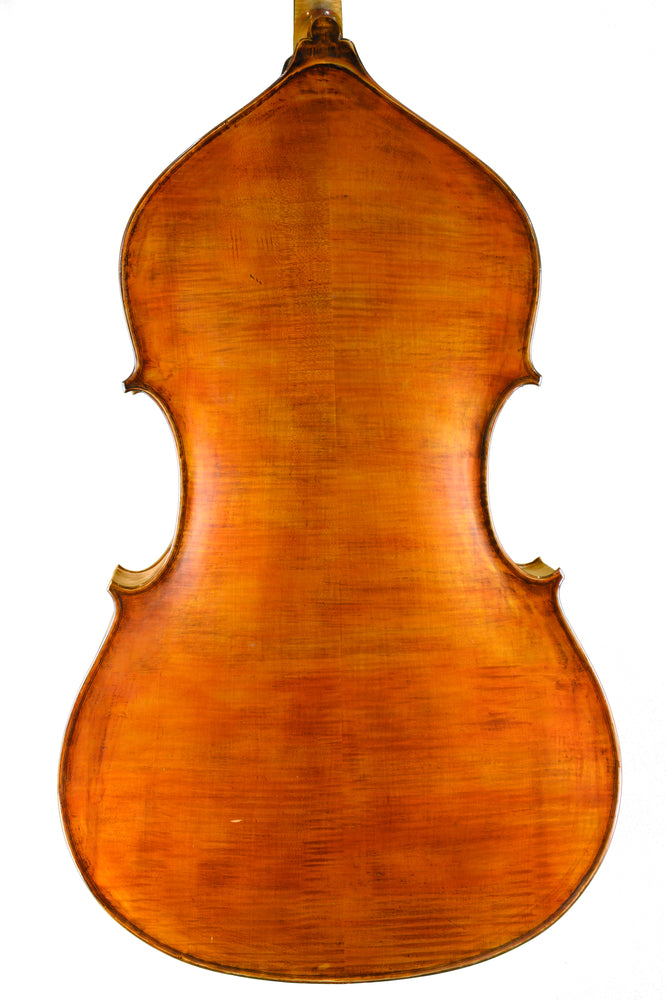
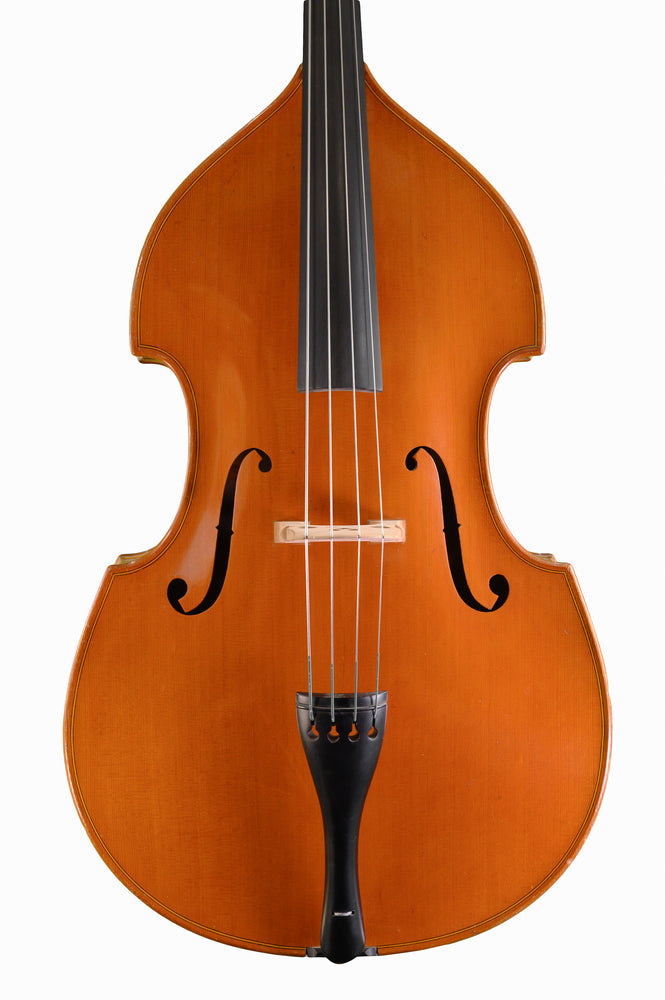
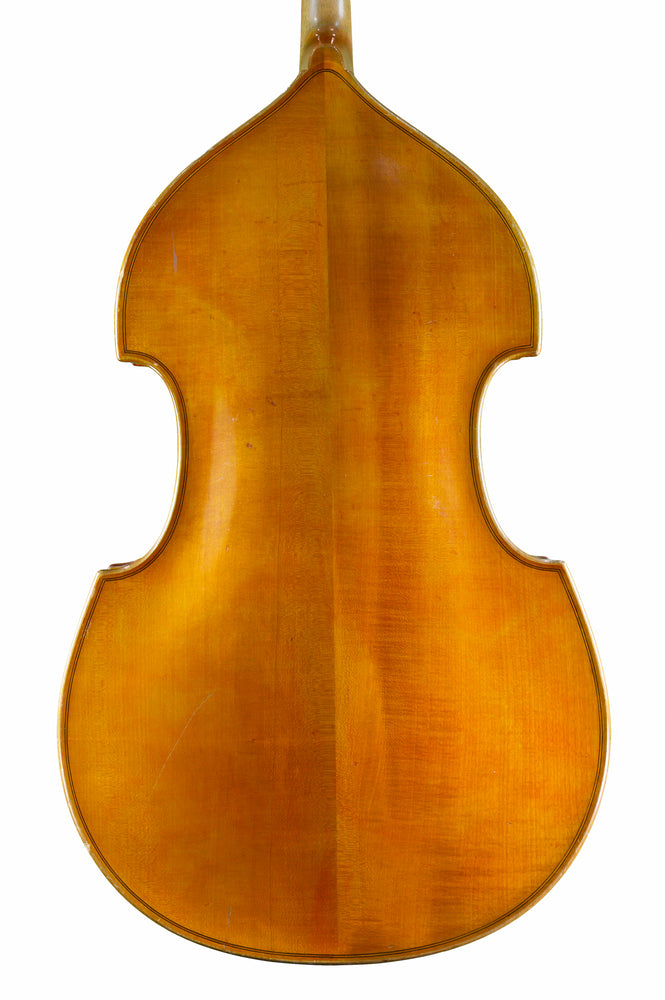
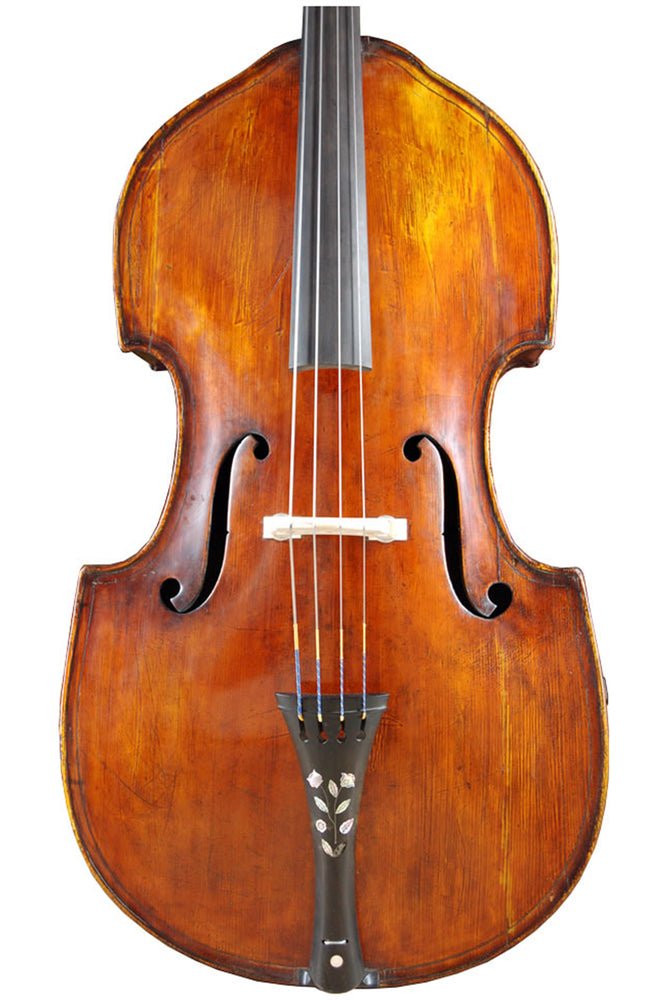
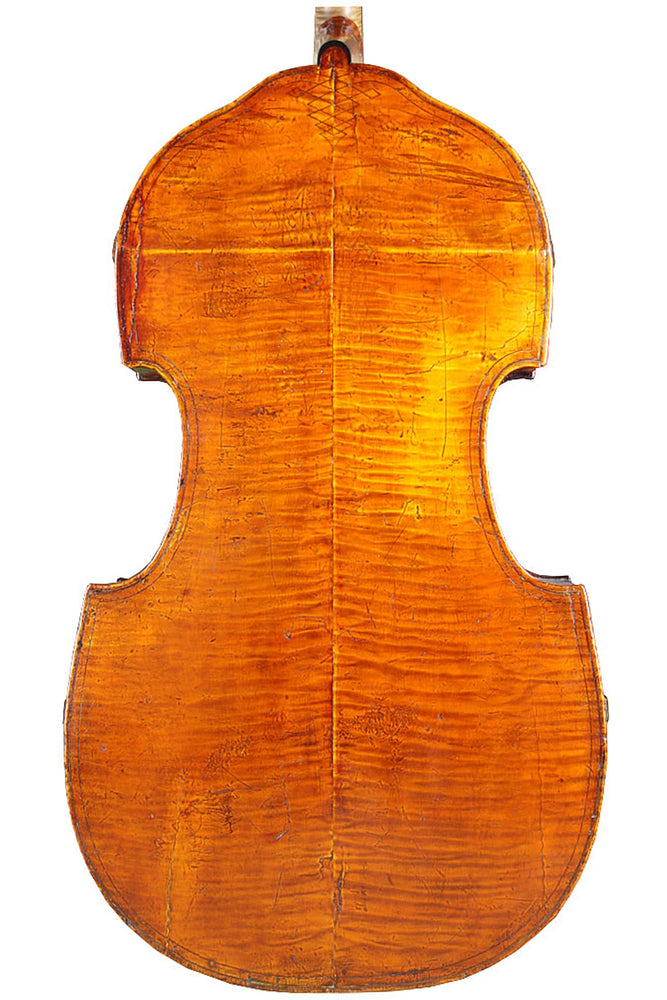
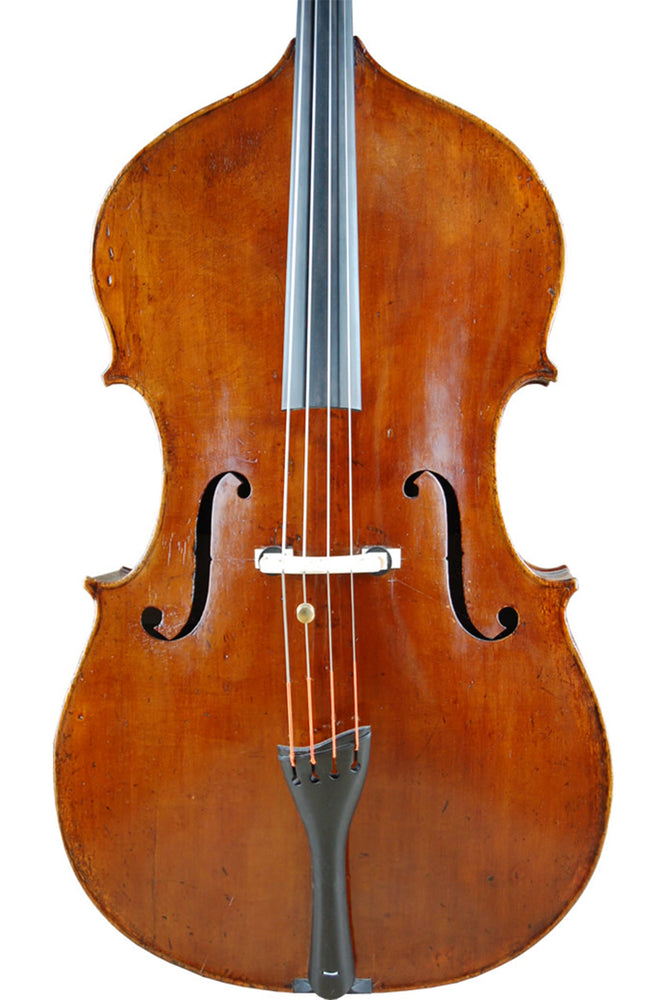
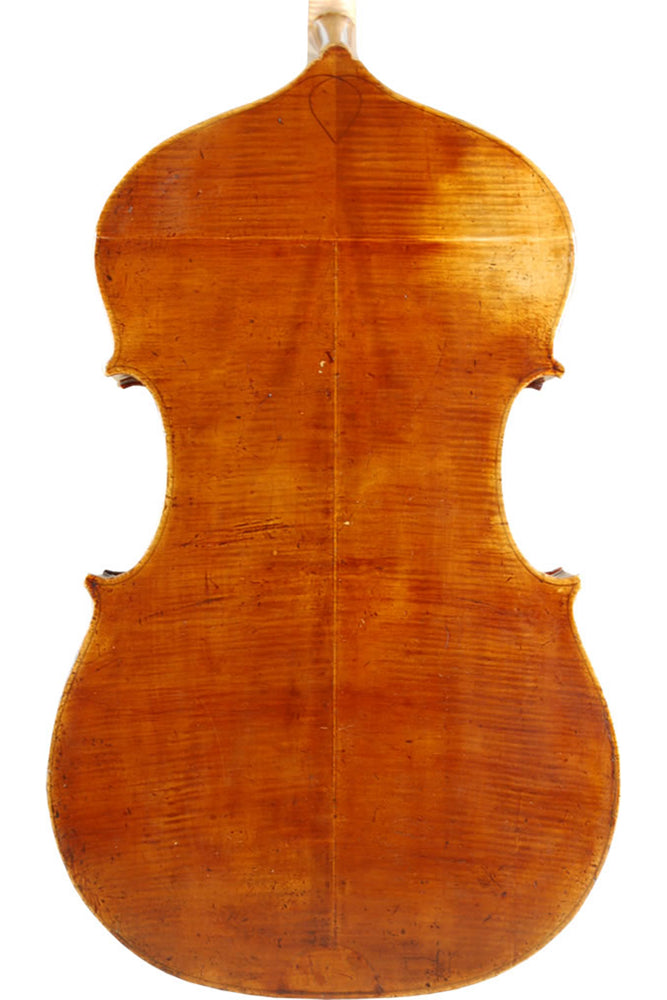
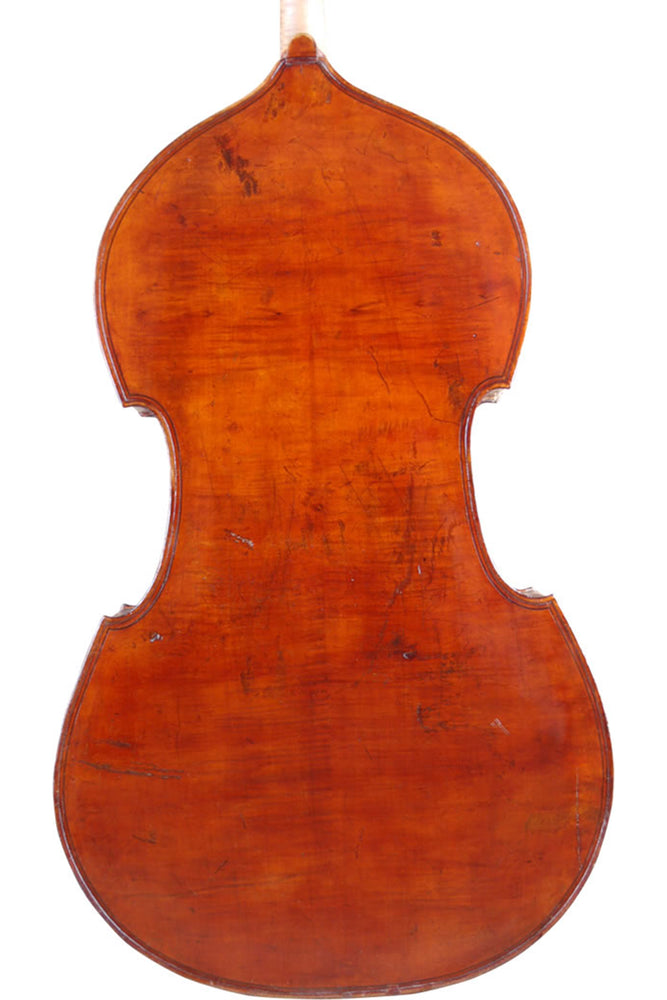
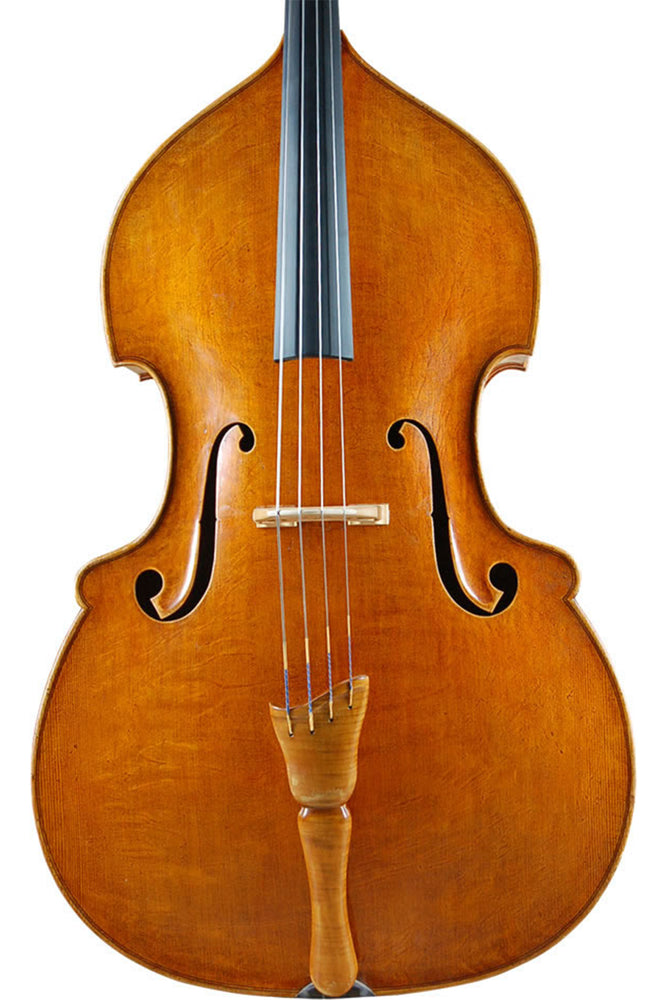
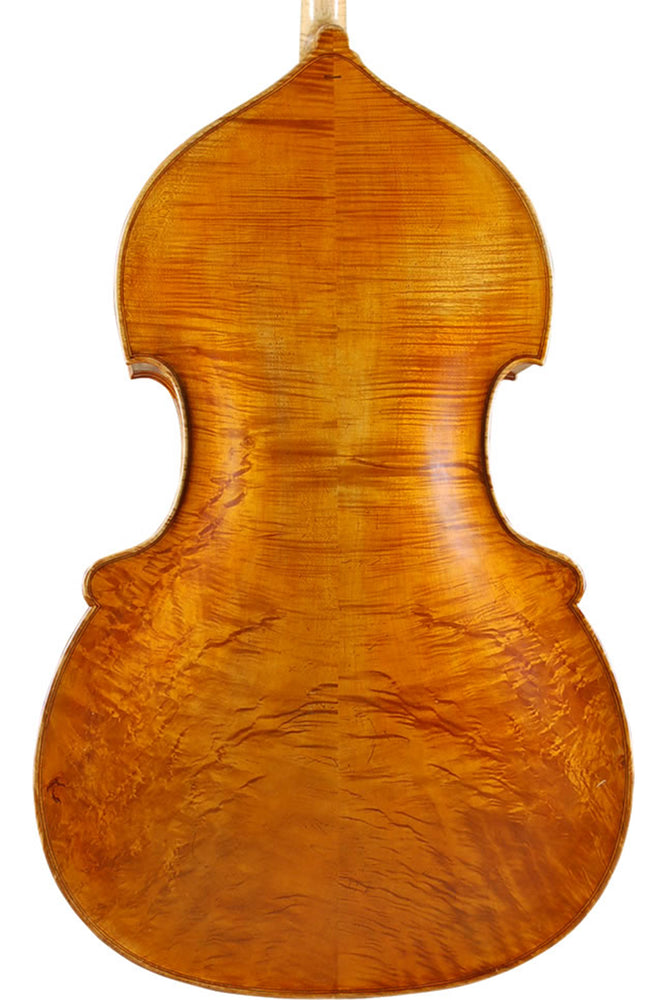
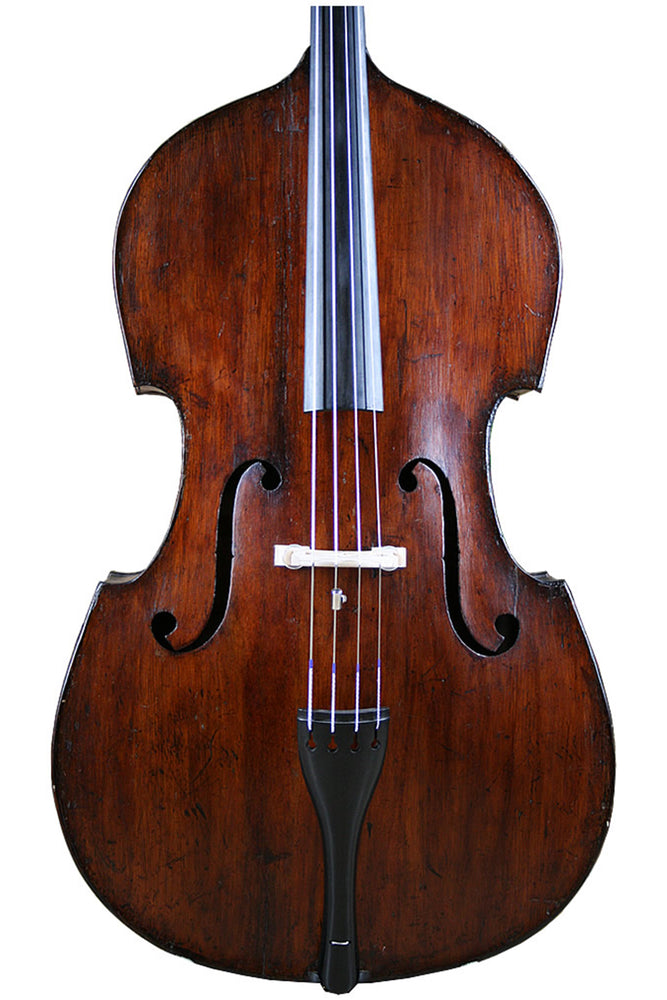
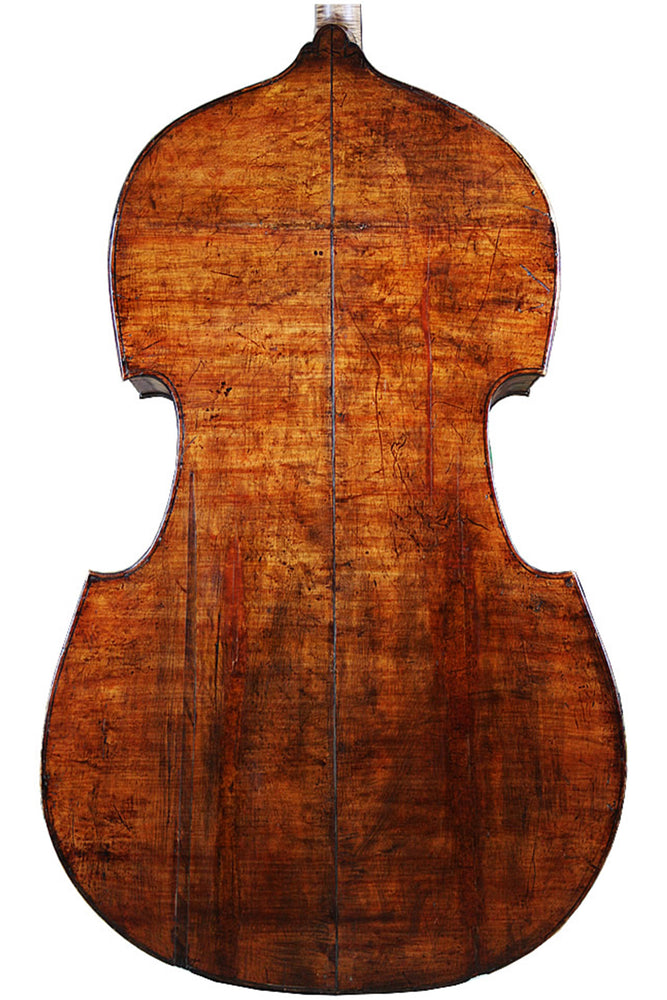
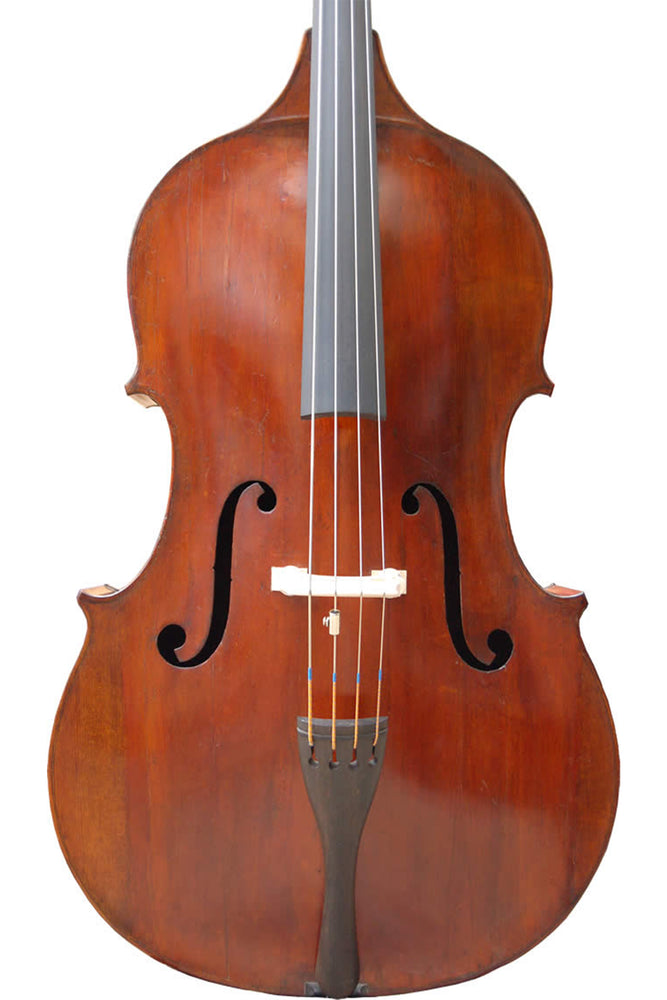
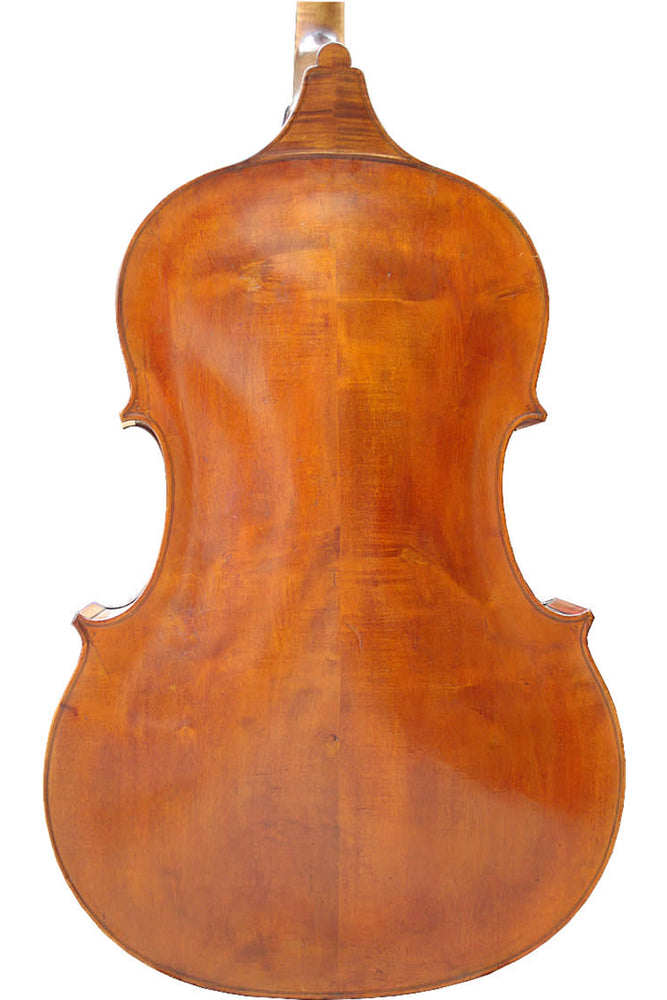
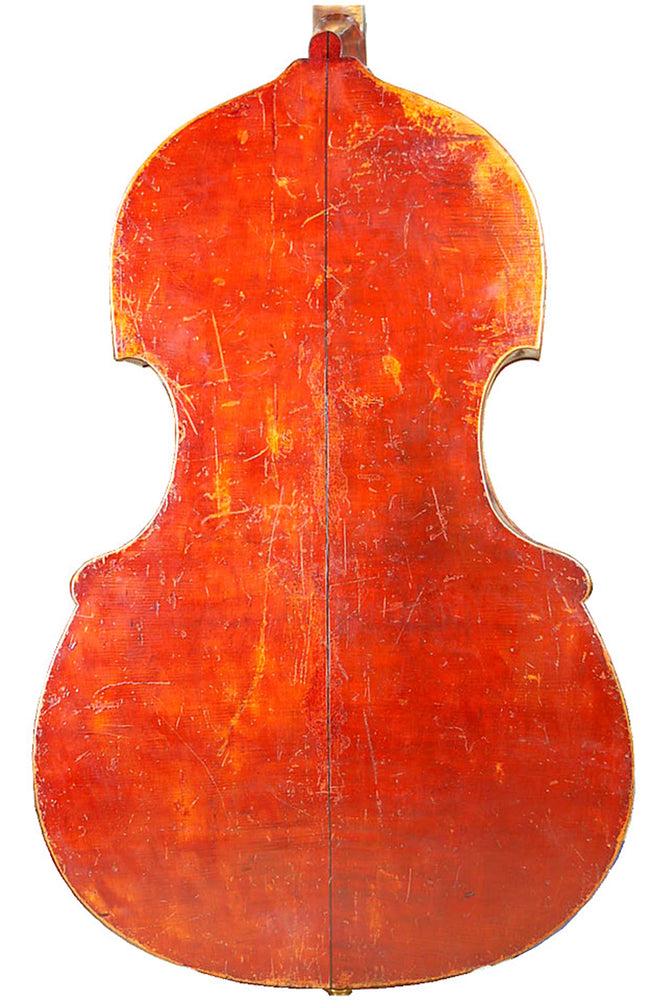
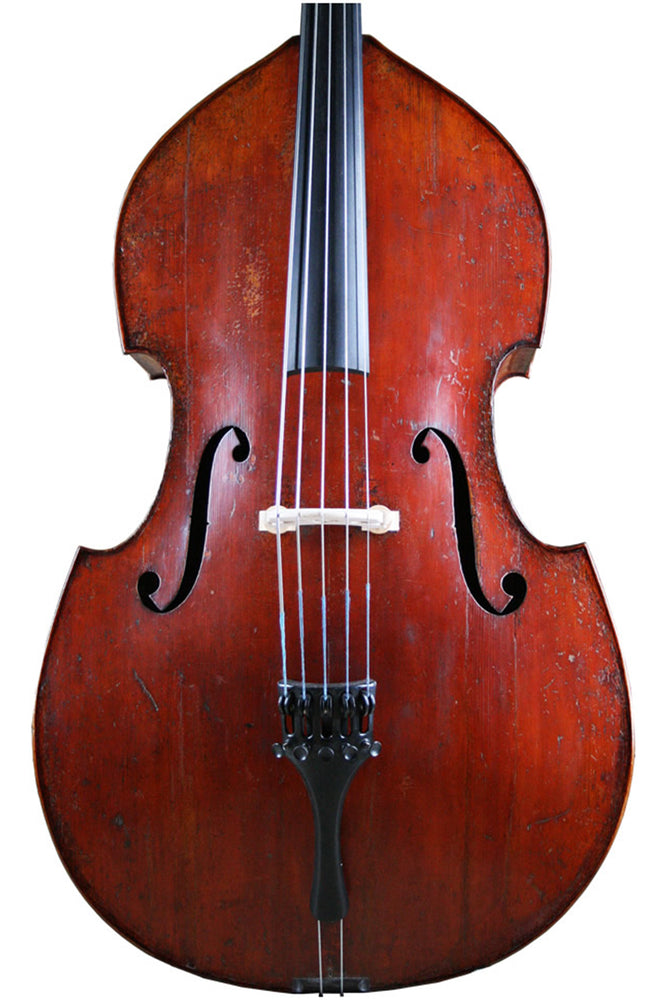
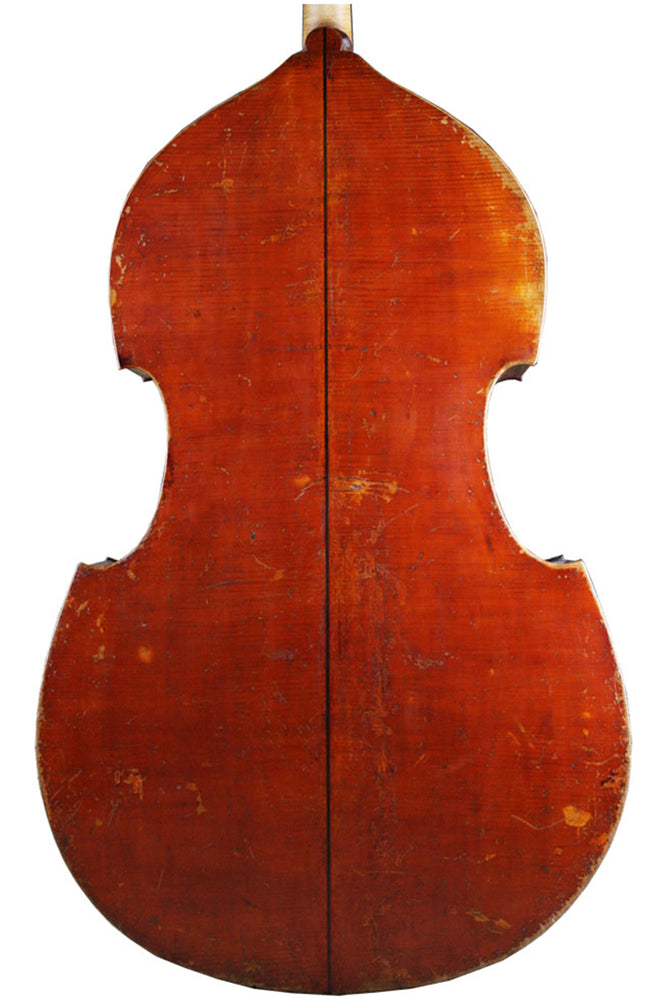
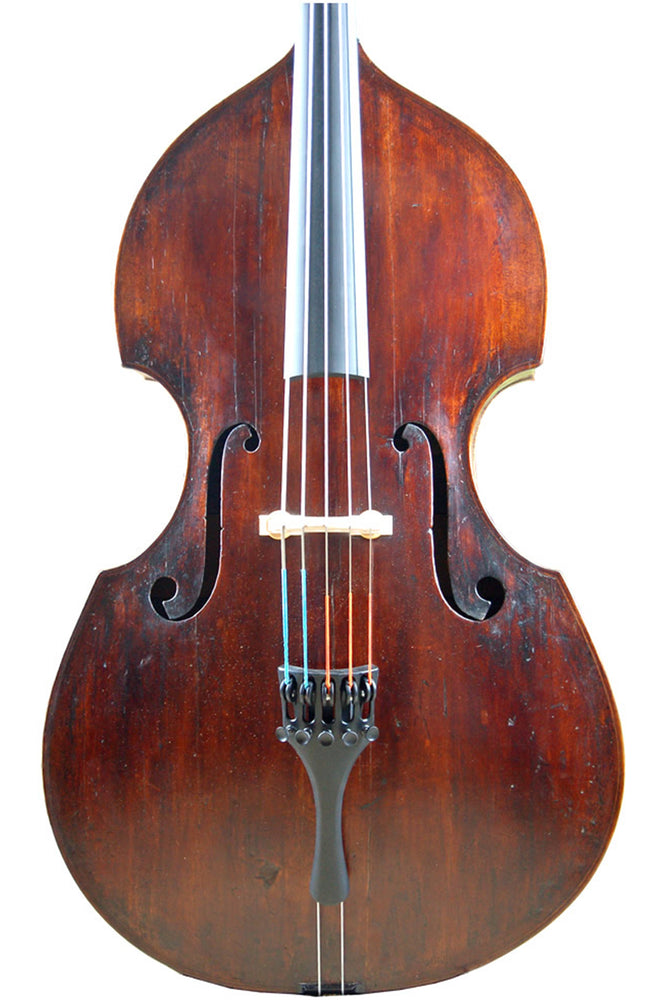
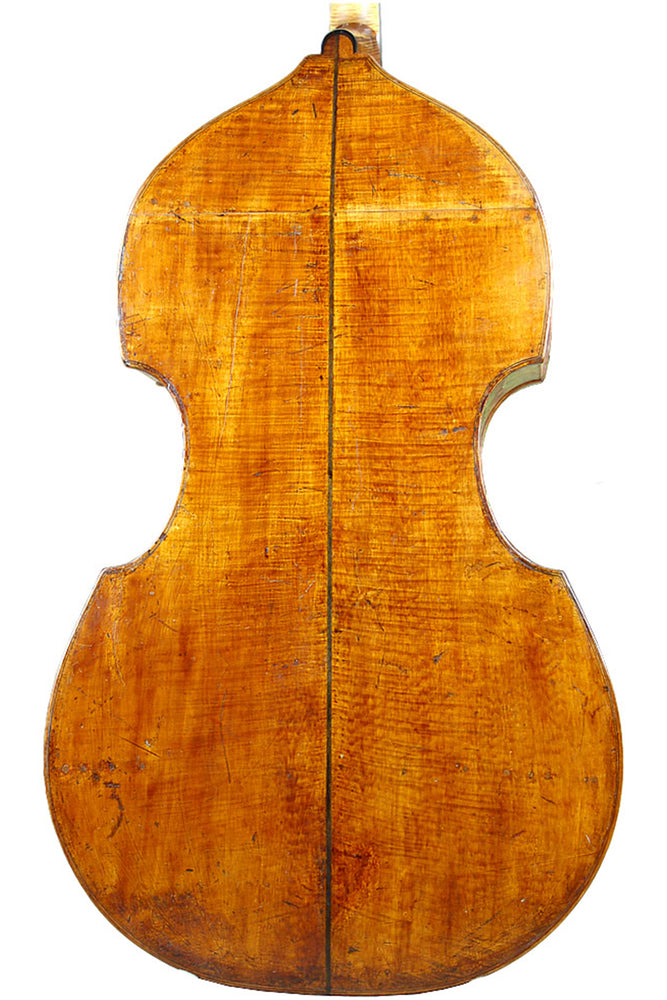
A viol shaped instrument with a flat back that slopes gently in
towards the neck and a characteristic strip of ebony along the
back centre join. This instrument is made in the traditional style
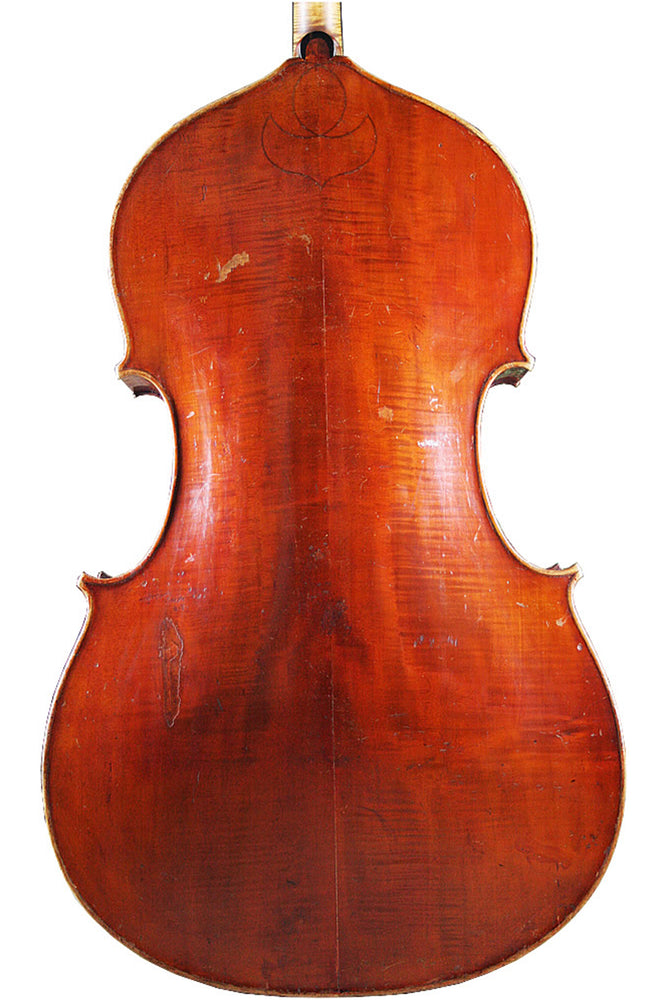
of the Mittenwald School. The wood used is nicely figured, well
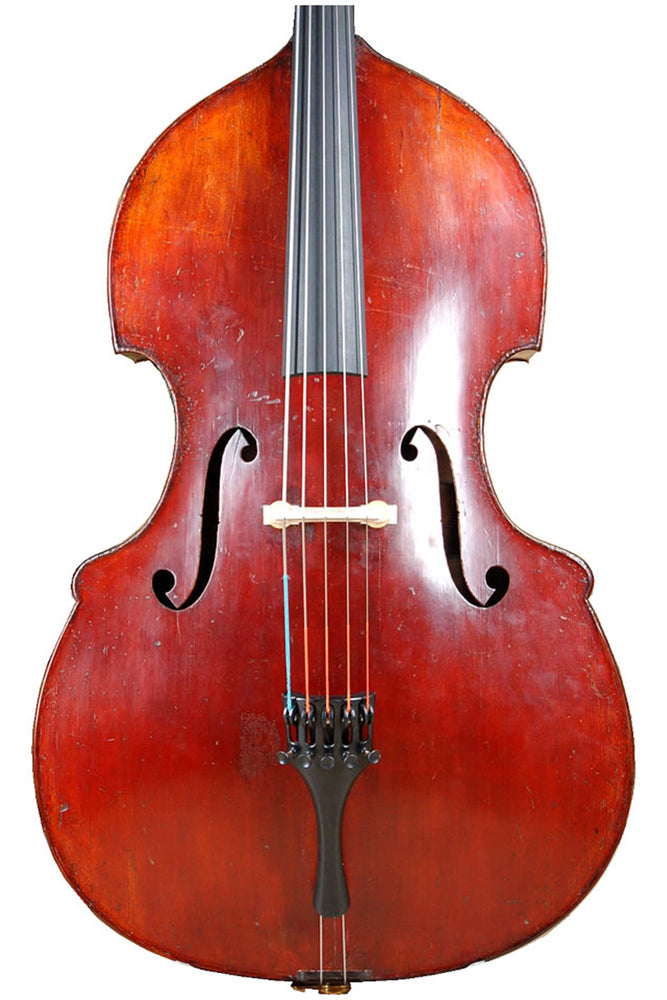
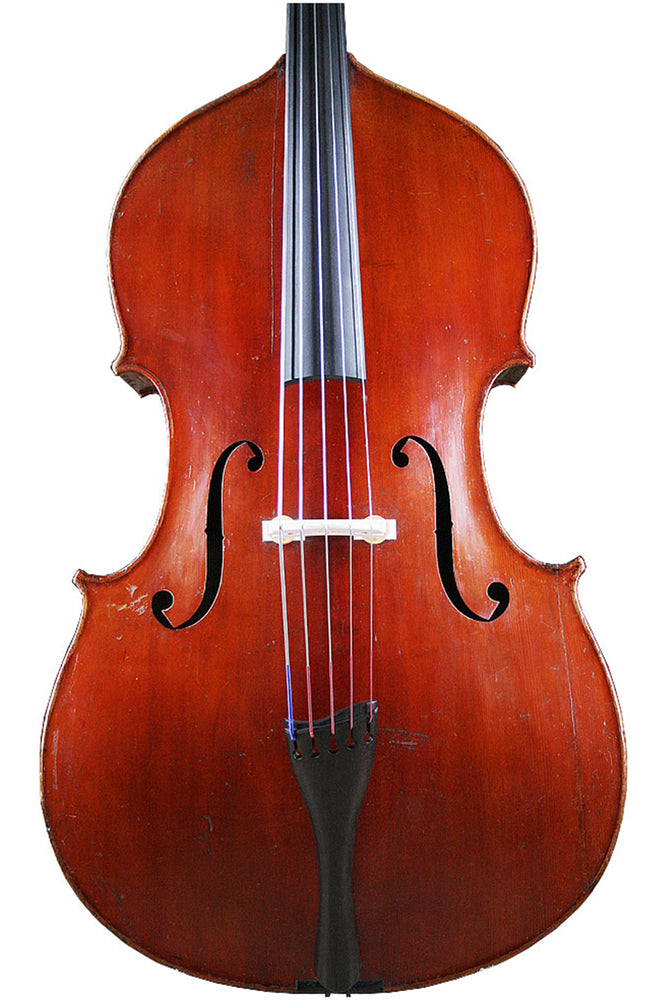
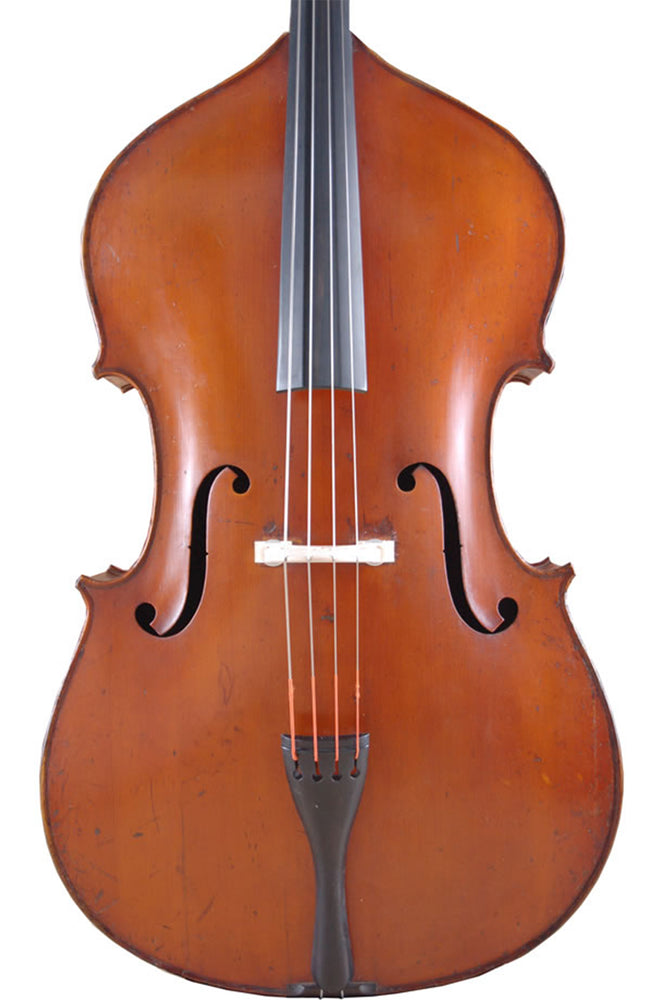
thicknessed and of high quality. The carving details of the scroll,
f-holes and purfilling are well controlled and beautifully neat
and the varnish - well just take a look at the glorious texture
and deep-dark red-brown colour that has been applied over a yellow
ground - it is simply exquisite.
Yes, that's right it does. The style and quality of making is
very much on a par with the renowned master bass maker - Ferdinand
Seitz - a contemporary of Schandl who also lived and worked in
Mittenwald. At the time a large proportion of the violin makers
from the area would have supplied instruments or parts of violins
exclusively for dealers and manufacturers such as Neuner and Hornsteinster.
I have been reliably informed that an 1880 population census established
a figure of some 4000 residents in the town of Mittenwald out of
which there were some 200 violin makers. That's quite an astounding
number - in fact approximately 10% of the working population.
It would seem that Joseph was a descendent
from a line of violin makers. There are five makers listed in
the Jalovec Encyclopedia of Violin Makers - although none with
the name of Joseph. This seems strange for a maker with such
high skill and ability - but as a plausible explanation - it
could just be that he wasn't included in referance works because
he was "only" a double bass
maker and as such he was just not so well known.
Indeed the high quality of this instrument would suggest that he
was a bass specialist.
No - there aren't any labels in the instrument at all - but there
was a pencil inscription alongside the origional bass bar (Bass
side opp the bottom bout). No matter how hard we tried - here -
at The Contrabass Shoppe - we were unable to decipher the inscription
- so naturally we asked the assistance of some German friends and
colleagues. To our surprise they too were unable to work out what
it said due to the fact that it had been written in what is called
Old High German script - which is something that they had not been
taught at school.
In brief - modern day Germanic languages are a descendant from
the ancient Latin alphabet. During the sixteenth century - text
developed into angular shaped letters known as the Fraktur and
Textura scripts. This was further developed during the Baroque
period into a more ornamental fashion called - Antique script.
Within the past 100 years the writing system of the German language
has seen a great deal of change. Frakur - the Old High German script
- was taught in schools up until 1941 at which time the Nazis claimed
that the letters were Jewish and abolished it nationwide. It was
replaced with Antique script - which we now consider to be normal
writing.
Well - the name was recognised instantly by two German
colleagues who - shall we say - are very slightly older than middle
aged. They read the inscription as Joseph Schandl in Mittenwald
an der Iser. Annon 1872. Thanks for everybody's help. We managed
to get there in the end.
Yes you are quite right - I did use the past tense of the word
because we knew that in order to maximize the sound potential of
the instrument, the work required to the inside table would result
- most unfortunately - in the removal of all traces of the origional
signature. With this in mind it was most important that we preserve
and document the identity of the instrument by means of full photographs
and the translation of the signature.
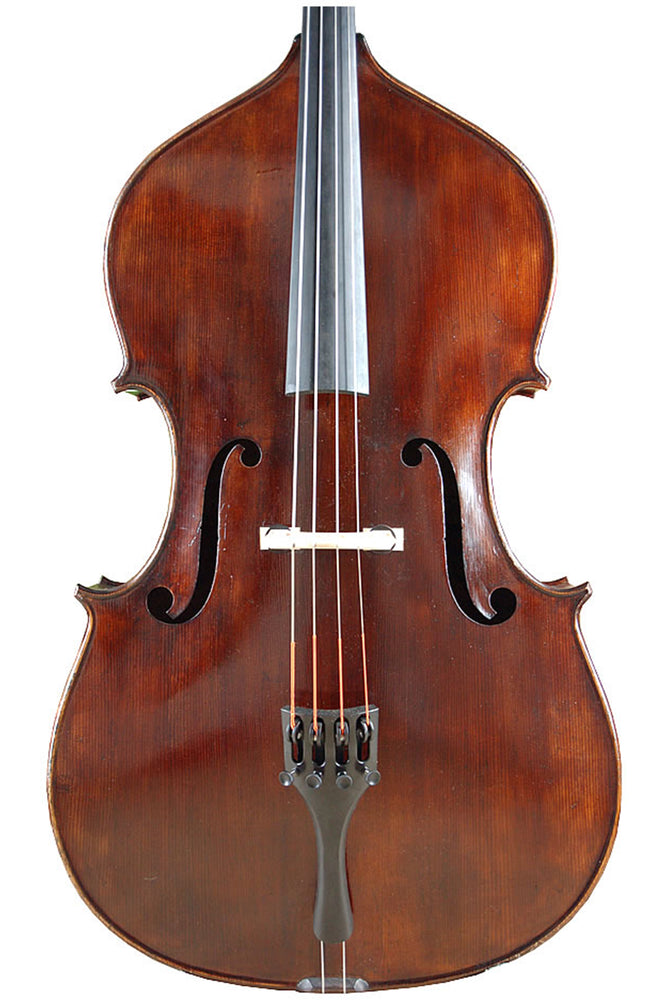
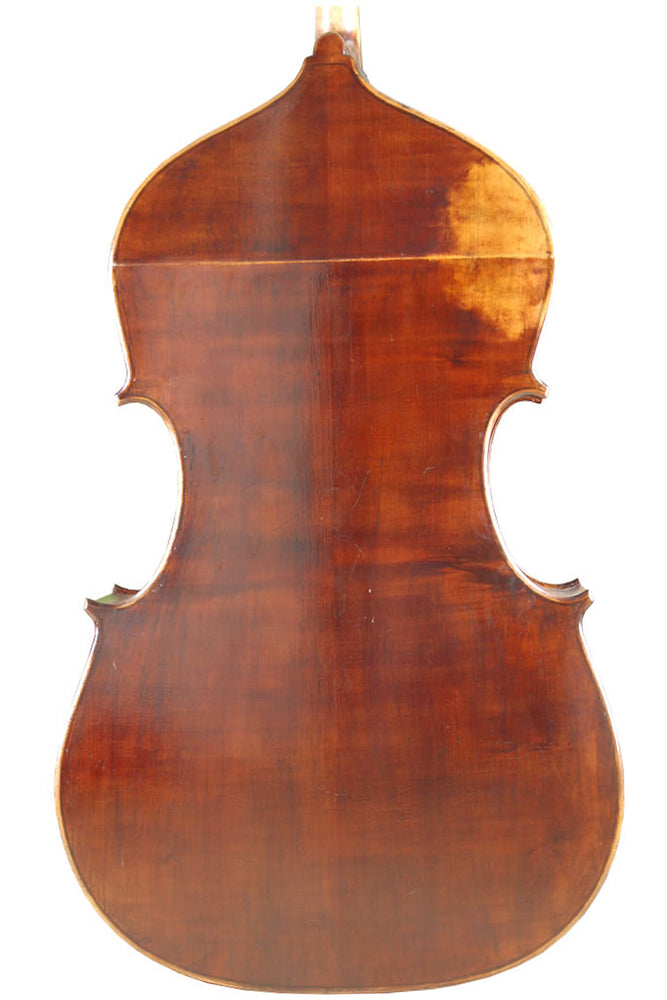
At the Contrabass Shoppe - we certainly don't
want to alter another makers work unless absolutely necessary.
Unfortunately - times have changed. When this instrument was
built it was made for three large thick gut - low-tension strings.
Today we use four narrow high-tension steel strings that require
neck angles to be set much, much higher. When built we can assume
that this meticulously made instrument sounded great. With our
modern strings and set-up requirements our restorers can guarantee
that the instrument would sound like a complete "dog" (English
slang for no good) because they know that to make an instrument
sound really well the plates (front and back) need to vibrate
properly when the strings are moved.
Yes - that's right the condition of this instrument is absolutely
superb and once again we can safely assume that this instrument
has not been played very much in the last 50-60 years simply because
it never played very well with a more modern set-up. Here's a question
for you. Can you tell me why any player would want to play on an
instrument that doesn't sound any good?
Obviously rethicknessing work was the cause of the removal of
the signature and as I have said previously the table was very
much over-thick. At this point we must stress that this type of
work should only be undertaken by the most experienced and skilled
of restorers. In addition to the regraduation work we replaced
the old bass bar, thinned out the old back centre brace, fitted
three new edges to the front, replaced the neck, fitted new high
ebony, fitted new fingerboard, bridge, sound post and endpin unit,
cleaned the instrument, touched up the varnish and re-set up.
The work has turned out absolutely fantastic and the proof is
in the playing. As one draws the bow across the strings the whole
instrument begins to vibrate and a simply colossal sound comes
out. I promise you - you won't be able to stop smiling at the enormity
of sound. Hold on to the china plates!
As an added bonus this instrument 'speaks' so quickly that we'll
be very impressed if your bowing technique can match what this
instrument is capable of doing.
Absolutely everything about this instrument just shouts out quality.
The materials, the making, the finish and the sound are all really
at a top, top level. The condition too is quite breathtaking and
the proportions are such that it will suit a great number of players.
Named Mittenwald basses of this period, quality
and condition are infrequently seen on the market these days
- so even if you decide to purchase this instrument purely as
an investment opportunity - at a purchase price of under 20K
- what's that expression? ... "it's the real deal".
LOB (length of back) - 110.1cm
(43.35in)
Width across upper bouts - 50.0cm (19.75in)
Width across middle bouts - 36.3cm (14.27in)
Width across lower bouts - 67.5cm (26.52in)
Depth of lower ribs inc both plates- 20.6cm (8.15in)
Body Stop - 59.3cm (23.40in)
String length - 104.7cm (41.20in)
|